
As summer transitions into fall, commercial properties face changing weather conditions that require thoughtful planning and proactive maintenance. Falling leaves, cooler temperatures, shorter daylight hours, and increased rainfall can all affect the appearance, safety, and functionality of business exteriors. Consequently, developing an autumn commercial business exterior floorplan helps property owners prepare their buildings and outdoor spaces before winter arrives.
Many businesses focus only on seasonal landscaping. However, an effective exterior floorplan goes much further by considering parking lots, pedestrian walkways, lighting, drainage, entrances, accessibility, signage, and outdoor gathering spaces. When these elements work together, they create a safer environment for customers while protecting the property’s long-term value.
Planning early also reduces emergency repairs and helps maintenance teams prioritize tasks before severe weather creates larger problems. Moreover, a well-maintained exterior improves first impressions, supports customer confidence, and demonstrates that a business pays attention to detail.
This guide explains how to create an autumn commercial business exterior floorplan, organize seasonal maintenance, improve curb appeal, strengthen safety measures, and prepare commercial properties for the months ahead.
What Is an Autumn Commercial Business Exterior Floorplan?
An autumn commercial business exterior floorplan is a strategic plan that organizes every outdoor area of a commercial property for the fall season. Instead of focusing only on landscaping, it evaluates how parking areas, sidewalks, entrances, green spaces, lighting, drainage systems, and customer access routes function together during autumn.
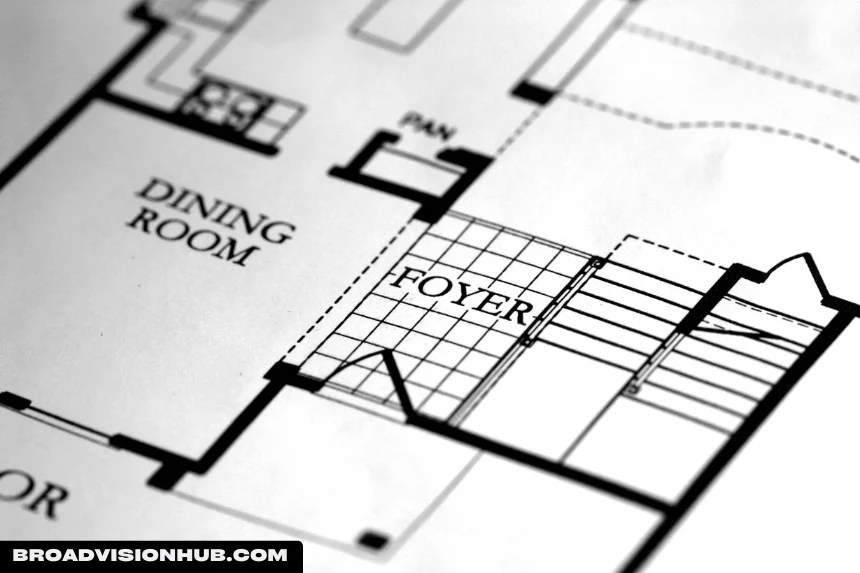
The primary objective is to improve safety, appearance, accessibility, and operational efficiency while reducing maintenance issues before winter weather arrives.
A comprehensive exterior floorplan generally includes:
- Building entrances
- Parking lots
- Sidewalks
- Landscape beds
- Trees and shrubs
- Outdoor seating
- Signage
- Exterior lighting
- Drainage systems
- Waste collection areas
- Accessibility routes
By reviewing these areas together rather than individually, businesses can create a more organized maintenance strategy and deliver a better customer experience.
Autumn Commercial Business Exterior Floorplan Overview
An effective modern commercial building design combines seasonal maintenance with thoughtful property management. Every outdoor feature contributes to how visitors experience a commercial location.
For example, attractive landscaping creates a positive first impression, while clear walkways and adequate lighting improve safety during shorter autumn days. Likewise, functioning drainage systems help prevent standing water that could later freeze and create hazards.
Instead of reacting to seasonal problems as they occur, businesses benefit from preparing each exterior zone before weather conditions worsen.
Key planning areas include:
- Landscape maintenance
- Parking lot inspections
- Sidewalk safety
- Entrance improvements
- Lighting upgrades
- Drainage management
- Irrigation adjustments
- Accessibility reviews
- Preventive maintenance scheduling
Together, these components create a practical roadmap for autumn property management.
Quick Facts About Autumn Commercial Exterior Planning
| Topic | Summary |
|---|---|
| Primary Goal | Prepare commercial properties for fall and winter |
| Best Planning Period | Early to mid-autumn |
| Main Focus | Safety, maintenance, curb appeal, and operational efficiency |
| Priority Areas | Entrances, parking lots, landscaping, lighting, drainage, and walkways |
| Long-Term Benefit | Reduced repair costs and improved customer experience |
| Recommended Approach | Preventive maintenance with scheduled inspections |
Why Autumn Exterior Planning Matters
Autumn is one of the most important seasons for commercial property maintenance because it serves as the transition between warm weather and winter conditions.
Without preparation, relatively small maintenance issues can develop into expensive repairs.
For instance:
- Clogged drains may lead to flooding.
- Damaged sidewalks increase slip hazards.
- Poor lighting reduces visibility.
- Overgrown trees become vulnerable during storms.
- Neglected landscaping may suffer permanent winter damage.
Addressing these concerns early allows businesses to protect both customers and physical assets.
Furthermore, seasonal planning improves operational efficiency by helping maintenance teams organize workloads before emergency situations arise.
Benefits of an Autumn Commercial Business Exterior Floorplan
Businesses that invest in structured exterior planning often experience several advantages.
Improved Curb Appeal
Well-maintained landscaping, clean walkways, and attractive entrances create stronger first impressions for customers, visitors, and tenants.
Enhanced Customer Safety
Removing leaves, repairing uneven pavement, improving lighting, and inspecting drainage systems reduce common seasonal hazards.
Lower Maintenance Costs
Preventive maintenance typically costs less than emergency repairs.
By identifying issues during autumn, businesses can often avoid more expensive winter damage.
Better Operational Planning
Maintenance schedules become more organized when managers follow a structured exterior floorplan rather than responding only after problems appear.
Increased Property Value
Consistent exterior care helps preserve commercial property value while improving tenant satisfaction and customer confidence.
Understanding Commercial Exterior Zones
An effective autumn commercial business exterior floorplan divides the property into manageable zones that can be inspected and maintained systematically.
Zone 1: Building Entrance
The entrance creates the first impression.
Maintenance priorities include:
- Entry doors
- Welcome signage
- Seasonal decorations
- Exterior mats
- Lighting
- Accessibility features
Because customers interact with this area first, regular inspections are especially important.
Zone 2: Parking Areas
Parking lots require attention before colder weather arrives.
Inspection items include:
- Pavement cracks
- Line markings
- Wheel stops
- Storm drains
- Traffic flow
- Exterior lighting
Addressing these issues early improves both appearance and vehicle safety.
Zone 3: Pedestrian Walkways
Walkways should provide safe access throughout the property.
Routine inspections should focus on:
- Uneven surfaces
- Loose paving materials
- Leaf accumulation
- Handrails
- Ramps
- Drainage
Maintaining these pathways reduces slip-and-fall risks during wet autumn conditions.
Zone 4: Landscape Areas
Landscape planning extends beyond seasonal flowers.
Managers should evaluate:
- Trees
- Shrubs
- Lawn health
- Mulch beds
- Irrigation systems
- Decorative plants
Healthy landscapes improve curb appeal while protecting long-term property investments.
Zone 5: Service and Utility Areas
Although customers may rarely visit these locations, they remain essential to daily operations.
Important inspection points include:
- Waste collection areas
- Loading zones
- Utility equipment
- Service entrances
- Exterior storage
- Drainage systems
Keeping these areas clean and organized improves efficiency while supporting overall property maintenance.

Creating a Seasonal Exterior Planning Strategy
Developing an autumn commercial business exterior floorplan begins with a comprehensive property assessment.
Rather than inspecting only visible landscaping, managers should evaluate how every exterior element functions together throughout the season.
An effective planning strategy typically follows these steps:
- Inspect every exterior zone.
- Identify maintenance priorities.
- Schedule preventive repairs.
- Coordinate landscaping improvements.
- Prepare drainage systems.
- Review lighting performance.
- Verify accessibility compliance.
- Create a seasonal maintenance calendar.
This structured approach helps businesses address potential issues before they become larger operational or safety concerns.
In the next section, we’ll explore landscaping strategies, parking lot preparation, walkway safety, building entrance improvements, lighting, drainage management, irrigation adjustments, accessibility planning, and practical maintenance checklists that complete an effective autumn commercial business exterior floorplan.
Autumn Commercial Business Exterior Floorplan: Landscaping Strategy
Landscaping is one of the most visible parts of an autumn commercial business exterior floorplan. A well-maintained landscape creates a positive first impression while protecting plants and outdoor spaces from seasonal weather changes.
Instead of focusing only on appearance, businesses should prepare landscapes for colder temperatures and increased rainfall.
Recommended landscaping tasks include:
- Remove fallen leaves regularly.
- Prune damaged or diseased branches.
- Apply fresh mulch around trees and shrubs.
- Fertilize lawns where appropriate.
- Replace seasonal flowers with hardy autumn varieties.
- Inspect irrigation systems before winter.
Routine maintenance helps preserve healthy plants while reducing cleanup costs later in the season.

Autumn Commercial Business Exterior Floorplan: Parking Lot Planning
Parking areas influence both safety and customer experience.
Therefore, every autumn commercial business exterior floorplan should include a parking lot inspection before winter weather arrives.
Inspect the following:
- Pavement cracks
- Potholes
- Parking lines
- Wheel stops
- Storm drains
- Traffic signs
- Speed bumps
Repairing minor pavement damage early helps prevent larger structural issues caused by freezing temperatures.
Businesses should also remove leaves from parking spaces because wet leaves may become slippery after rainfall.
Autumn Commercial Business Exterior Floorplan: Walkway Safety
Walkways experience heavy foot traffic throughout the fall.
Consequently, they require frequent inspections to reduce accident risks.
Maintenance priorities include:
- Removing leaves.
- Repairing uneven pavement.
- Cleaning debris.
- Improving drainage.
- Inspecting handrails.
- Replacing damaged pavers.
Businesses should also verify that ramps remain accessible for individuals using wheelchairs, walkers, or other mobility devices.
Safe pedestrian routes improve both customer satisfaction and liability management.
Autumn Commercial Business Exterior Floorplan: Building Entrance Improvements
Entrances create lasting first impressions.
For that reason, entrance maintenance deserves special attention during autumn.
Recommended improvements include:
- Clean entrance doors.
- Inspect automatic door systems.
- Replace worn floor mats.
- Refresh seasonal planters.
- Improve exterior lighting.
- Update directional signage.
Decorative autumn displays can also enhance curb appeal when they complement the property’s professional image without obstructing walkways.
Autumn Commercial Business Exterior Floorplan: Exterior Lighting
As daylight hours become shorter, lighting becomes increasingly important.
An effective autumn commercial business exterior floorplan should evaluate every outdoor lighting fixture.
Inspection checklist:
- Parking lot lights
- Building-mounted fixtures
- Walkway lighting
- Landscape lighting
- Entrance lighting
- Emergency lighting
Replacing burned-out bulbs and upgrading to energy-efficient LED fixtures can improve visibility while reducing electricity costs.
Well-designed lighting also enhances security for employees and visitors during evening hours.
Autumn Commercial Business Exterior Floorplan: Drainage Management
Autumn often brings increased rainfall along with falling leaves that can clog drainage systems.
Therefore, drainage inspections should become a priority before winter.
Important tasks include:
- Clean gutters.
- Remove debris from drains.
- Inspect catch basins.
- Verify proper water flow.
- Check downspouts.
- Remove standing water.
Proper drainage reduces erosion while helping prevent flooding and icy conditions later in the year.
Autumn Commercial Business Exterior Floorplan: Irrigation Winterization
Landscape irrigation systems require seasonal adjustments before freezing temperatures arrive.
Maintenance teams should:
- Reduce watering schedules.
- Shut down irrigation systems when appropriate.
- Drain exposed pipes.
- Inspect sprinkler heads.
- Repair leaks.
- Test control systems.
Preparing irrigation equipment early helps prevent expensive freeze damage during winter.
Autumn Commercial Business Exterior Floorplan: Outdoor Seating Areas
Many commercial properties maintain patios, courtyards, or outdoor seating throughout the fall.
These areas should remain both attractive and functional.
Maintenance recommendations include:
- Clean furniture.
- Store seasonal equipment when necessary.
- Inspect tables and seating.
- Remove accumulated leaves.
- Verify pathway accessibility.
- Check surrounding lighting.
Businesses that continue outdoor operations into late autumn should also consider portable heating options where appropriate.
Autumn Commercial Business Exterior Floorplan: Accessibility Planning
Accessibility should remain a central part of seasonal planning.
Businesses should inspect:
- Accessible parking spaces.
- Ramps.
- Handrails.
- Automatic doors.
- Walkway surfaces.
- Entrance thresholds.
Regular inspections help maintain compliance while creating a welcoming environment for all visitors.
Accessibility improvements also reduce potential safety risks during wet autumn weather.
Autumn Commercial Business Exterior Floorplan: Seasonal Signage
Autumn presents an opportunity to refresh exterior communication.
Businesses may update:
- Promotional signs.
- Wayfinding signs.
- Parking information.
- Safety notices.
- Seasonal displays.
However, signage should always remain easy to read without creating visual clutter.
Clear communication improves navigation while supporting a professional appearance.
Autumn Commercial Business Exterior Floorplan Maintenance Checklist
The following checklist provides a practical framework for seasonal preparation.
| Area | Recommended Action |
|---|---|
| Landscaping | Remove leaves, prune trees, refresh mulch |
| Parking Lots | Repair cracks, clean drains, repaint markings |
| Walkways | Remove debris, inspect surfaces, improve drainage |
| Entrances | Clean doors, replace mats, inspect lighting |
| Lighting | Replace bulbs, inspect fixtures, test emergency lights |
| Drainage | Clean gutters, inspect catch basins, verify water flow |
| Irrigation | Winterize systems, repair leaks, drain exposed lines |
| Accessibility | Inspect ramps, parking spaces, handrails |
| Outdoor Seating | Clean furniture, inspect pathways, improve lighting |
| Signage | Update directional signs and seasonal messaging |
Following a structured maintenance checklist helps businesses organize tasks, reduce unexpected repairs, and prepare their properties for changing weather conditions.
In the final section, we’ll cover seasonal budgeting, sustainability practices, common mistakes to avoid, a recommended inspection schedule, frequently asked questions, and a final summary for creating an effective autumn commercial business exterior floorplan.
Autumn Commercial Business Exterior Floorplan: Budget Planning
An effective autumn commercial business exterior floorplan should include a realistic maintenance budget. While some seasonal improvements require immediate attention, others can be scheduled over several weeks to balance costs and operational priorities.
Businesses can organize their budgets into three categories:
Essential Maintenance
These tasks protect the property from seasonal damage and should receive the highest priority.
Examples include:
- Drainage cleaning
- Pavement repairs
- Exterior lighting maintenance
- Roof and gutter inspections
- Walkway repairs
Completing these projects early often prevents more expensive winter repairs.
Preventive Improvements
Preventive maintenance helps extend the life of outdoor assets.
Examples include:
- Tree pruning
- Mulching
- Irrigation winterization
- Landscape restoration
- Exterior cleaning
Although these tasks may appear less urgent, they contribute to long-term property performance.
Appearance Enhancements
Once essential maintenance is complete, businesses can focus on improvements that strengthen curb appeal.
Examples include:
- Seasonal planters
- Decorative landscaping
- Updated signage
- Outdoor seating improvements
- Entrance decorations
These enhancements create a welcoming environment while reinforcing a professional brand image.
Autumn Commercial Business Exterior Floorplan: Sustainability Best Practices
Sustainability can reduce operating costs while supporting environmental goals.
Many commercial properties incorporate eco-friendly improvements into their autumn maintenance plans.
Recommended practices include:
- Plant native trees and shrubs.
- Use drought-tolerant landscaping.
- Install LED exterior lighting.
- Compost leaves when appropriate.
- Reduce unnecessary irrigation.
- Apply environmentally responsible fertilizers.
- Collect rainwater where permitted.
These strategies improve resource efficiency without sacrificing property appearance.
Common Mistakes to Avoid
Even experienced property managers sometimes overlook important seasonal tasks. Avoiding the following mistakes helps maintain a safer and more attractive commercial property.
Delaying Leaf Removal
Wet leaves can block drainage systems and create slippery walking surfaces. Regular cleanup reduces both maintenance issues and safety hazards.
Ignoring Drainage Systems
Blocked drains frequently contribute to standing water, erosion, and winter ice formation.
Routine inspections minimize these risks.
Overlooking Exterior Lighting
Shorter autumn days increase the importance of adequate lighting.
Burned-out fixtures should be replaced promptly to improve visibility and security.
Postponing Small Repairs
Minor pavement cracks, damaged handrails, or loose signage often become more expensive problems after freezing weather arrives.
Preventive maintenance usually offers better long-term value.
Focusing Only on Landscaping
Landscaping is important, but it represents only one part of a complete autumn commercial business exterior floorplan.
Parking lots, walkways, entrances, drainage systems, lighting, and accessibility all deserve equal attention.
Recommended Seasonal Inspection Schedule
Creating a routine inspection schedule helps maintenance teams identify issues before they affect daily operations.
| Timeframe | Recommended Tasks |
|---|---|
| Weekly | Remove leaves, inspect entrances, clean walkways, check lighting |
| Every Two Weeks | Inspect parking lots, landscaping, drainage, and outdoor seating |
| Monthly | Review irrigation systems, signage, accessibility features, and exterior equipment |
| End of Autumn | Complete winterization, inspect roofs and gutters, finalize snow preparation |
Following a consistent schedule improves organization while reducing emergency maintenance requests.
Frequently Asked Questions
What is an autumn commercial business exterior floorplan?
An autumn commercial business exterior floorplan is a seasonal planning strategy that organizes landscaping, parking areas, entrances, lighting, drainage, and other exterior spaces to prepare a commercial property for fall and winter conditions.
Why should businesses prepare their exterior during autumn?
Preparing commercial properties during autumn helps reduce maintenance costs, improve customer safety, protect landscaping, and minimize weather-related damage before winter arrives.
What should be included in an autumn commercial exterior plan?
A complete plan typically includes:
- Landscaping maintenance
- Parking lot inspections
- Walkway safety
- Building entrances
- Exterior lighting
- Drainage management
- Irrigation winterization
- Accessibility reviews
- Seasonal signage
- Maintenance scheduling
How often should commercial properties inspect exterior areas during autumn?
Most high-traffic areas should be inspected weekly, while broader property assessments can be completed every two to four weeks depending on weather conditions and property size.
Why is drainage important before winter?
Proper drainage prevents standing water that can damage landscaping, weaken pavement, and create icy surfaces after temperatures drop.
How can businesses improve curb appeal during autumn?
Businesses can improve curb appeal by maintaining healthy landscaping, cleaning entrances, updating seasonal planters, improving lighting, repairing walkways, and keeping parking areas free of debris.
Conclusion
Creating an effective autumn commercial business exterior floorplan involves much more than seasonal landscaping. A successful plan combines preventive maintenance, thoughtful site organization, safety improvements, and operational planning to prepare commercial properties for changing weather conditions.
By inspecting entrances, parking lots, walkways, drainage systems, lighting, accessibility features, and landscape areas as part of a unified strategy, businesses can reduce costly repairs while creating a more welcoming environment for customers, employees, and visitors.
Autumn also provides an ideal opportunity to address small maintenance concerns before they develop into larger winter problems. With regular inspections, a practical maintenance schedule, and a focus on long-term property care, commercial buildings can remain attractive, functional, and safe throughout the season.
Before you go, don’t miss How Might Businesses Use Cognitive Biases to Their Advantage