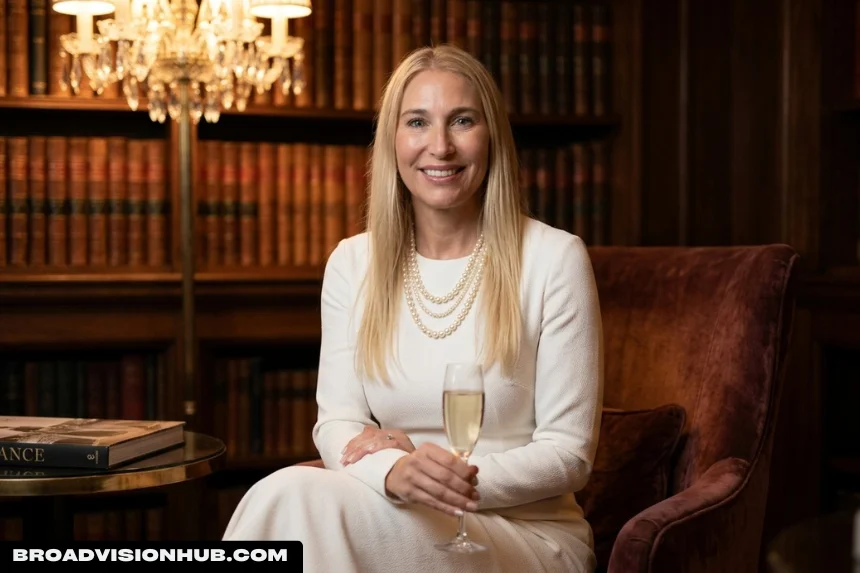
Melanie Howard is a Los Angeles intellectual-property attorney and partner at Loeb & Loeb. Formally known as Melanie J. Howard, she advises businesses, creators, athletes, and other rights holders on protecting and commercially using valuable brands, content, licensing rights, and other intangible assets.
Currently, Howard chairs Loeb & Loeb’s Luxury Brands and Intellectual Property Protection practices. Additionally, she serves as co-chair of the firm’s Advanced Media and Technology department. Her work includes trademarks, copyrights, licensing, sponsorships, endorsement deals, influencer collaborations, advertising, privacy, artificial intelligence, digital assets, sports, esports, entertainment, and emerging technologies.
However, several professionals share the name Melanie Howard. One is a London-based corporate partner at Latham & Watkins, while Melanie A. Howard writes about biblical studies and Christian higher education. Therefore, this article focuses specifically on the Los Angeles intellectual-property lawyer at Loeb & Loeb.
Her professional profile provides detailed information about her education, legal work, leadership positions, court admissions, and industry recognition. Nevertheless, dependable sources do not clearly establish her age, birth date, family details, marital status, or personal net worth. Consequently, this profile concentrates on her documented legal career rather than speculating about her private life.
Who Is Melanie Howard?
Melanie J. Howard is a Los Angeles intellectual-property lawyer and partner at Loeb & Loeb. She chairs the firm’s Luxury Brands and Intellectual Property Protection practices and co-chairs Advanced Media and Technology. Her work covers brand protection, licensing, trademarks, copyrights, sponsorships, endorsements, privacy, artificial intelligence, entertainment, media, sports, and emerging technology.
In practical terms, Howard helps clients protect and increase the commercial value of assets that are not physical products. These assets may include brand names, logos, copyrighted content, licensing rights, endorsement rights, publicity rights, digital properties, and intellectual-property portfolios.
Moreover, her practice combines legal protection with business strategy. For example, a company may need help registering a trademark, licensing its brand to a commercial partner, negotiating an influencer campaign, responding to counterfeit sellers, or reviewing the intellectual property involved in an acquisition.
Chambers USA also recognizes Howard in its California category for Intellectual Property: Trademark, Copyright & Trade Secrets. Its 2026 profile highlights her work in brand management, strategy, and transactions for fashion and media clients.
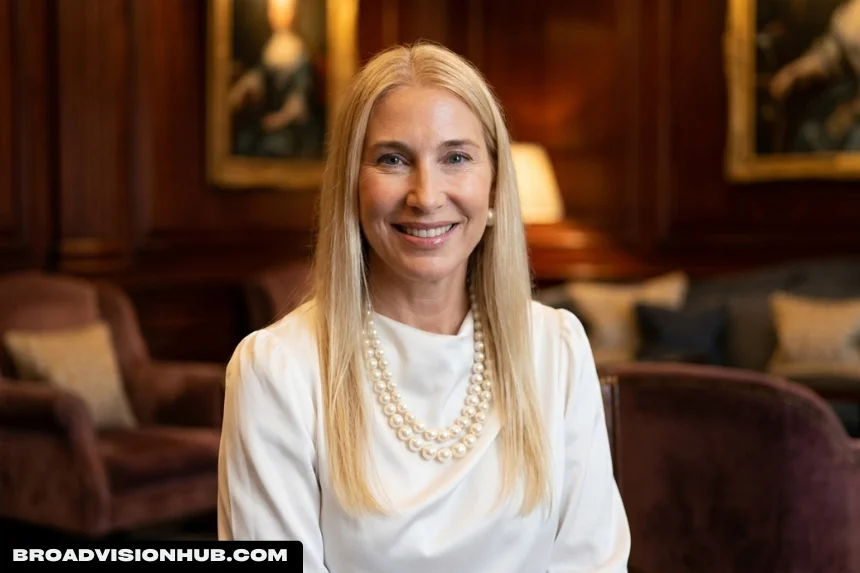
Quick Facts About Melanie Howard
| Topic | Verified detail |
|---|---|
| Full professional name | Melanie J. Howard |
| Profession | Intellectual-property attorney |
| Law firm | Loeb & Loeb LLP |
| Office | Los Angeles |
| Current position | Partner |
| Leadership role | Chair, Luxury Brands |
| Leadership role | Chair, Intellectual Property Protection |
| Leadership role | Co-chair, Advanced Media and Technology |
| Main legal areas | Intellectual property, licensing, brand protection, media, privacy, AI, advertising and technology |
| Law degree | J.D., Harvard Law School |
| Undergraduate degree | B.A., Williams College |
| Undergraduate subjects | Political science and German studies |
| Academic distinction | Dean’s List and cum laude |
| State bar admissions | California and Vermont |
| Listed language | Italian |
| Current nonprofit role | Officer and director of Saving Innocence |
Loeb & Loeb’s current professional profile confirms her leadership positions, office, practice areas, education, admissions, listed language, and nonprofit involvement. The firm also identifies her as a partner in its official announcements.
The table intentionally excludes her age, birthday, birthplace, spouse, children, home address, and net worth. Reliable professional sources reviewed for this article do not clearly establish those personal details.
Which Melanie Howard Is This Article About?
This article concerns Melanie J. Howard, the Los Angeles intellectual-property partner at Loeb & Loeb.
The clarification is necessary because the competitor pages refer to at least three different professionals. Although they share similar names, their education, locations, employers, and areas of work are not interchangeable.
| Name | Main field | Organization | Identifying information |
|---|---|---|---|
| Melanie J. Howard | Intellectual property and brand law | Loeb & Loeb | Los Angeles; Harvard Law School and Williams College |
| Melanie Howard | Corporate and M&A law | Latham & Watkins | London; University of Tasmania |
| Melanie A. Howard | Biblical studies and Christian higher education | Christian Scholar’s Review contributor | Writes about theology, disability, education and academic life |
Melanie J. Howard at Loeb & Loeb
The main subject of this profile works in Los Angeles. Her official Loeb biography focuses on intellectual property, luxury brands, advertising, media, entertainment, privacy, technology, sports, and esports. She earned her law degree from Harvard Law School after completing her undergraduate studies at Williams College.
Melanie Howard at Latham & Watkins
The Latham & Watkins professional is a London-based partner. She advises companies, private-equity funds, and investment banks on European and cross-border transactions, including mergers and acquisitions, financing structures, securities rules, takeover matters, and global carve-outs.
Additionally, the Latham lawyer earned both a Bachelor of Arts and Bachelor of Laws from the University of Tasmania. She is qualified as a solicitor in England and Wales and is admitted in Victoria, Australia. Therefore, those credentials must not be added to the Loeb attorney’s biography.
Melanie A. Howard, the Academic Author
Melanie A. Howard is an academic writer whose published topics include Christian higher education, biblical interpretation, disability, theology, faith integration, and university life. Her articles on Christian Scholar’s Review are unrelated to intellectual-property law.
Consequently, an article about the Loeb lawyer should not attribute those theological articles or academic interests to her.
What About the Muck Rack Profile?
Muck Rack may collect legal articles, quotations, interviews, and media appearances connected with the Loeb attorney. However, an aggregation profile does not make journalism her primary profession.
Her official law-firm biography, industry rankings, and legal work consistently identify her as an intellectual-property attorney. Therefore, “lawyer” or “attorney” is more accurate than “journalist.”
What Are Melanie Howard’s Roles at Loeb & Loeb?
Melanie Howard holds three significant leadership roles at Loeb & Loeb:
- Chair of Luxury Brands
- Chair of Intellectual Property Protection
- Co-chair of Advanced Media and Technology
The firm’s current 2026 profile lists all three titles. Moreover, official Loeb announcements continue to identify her as a partner and practice leader.
Each role covers a different but connected part of her legal practice.

Chair of Luxury Brands
As chair of Luxury Brands, Howard works at the intersection of intellectual property, retail, fashion, beauty, wellness, media, advertising, technology, and commercial transactions.
Luxury-brand law is not limited to expensive products. Instead, the work may involve protecting a brand’s name and reputation, negotiating collaborations, reviewing advertising campaigns, licensing trademarks, addressing counterfeit goods, and protecting digital assets.
For example, a fashion or beauty company may need advice about:
- Launching a licensed product line
- Working with an influencer or celebrity
- Protecting a logo in multiple countries
- Challenging counterfeit online listings
- Reviewing advertising claims
- Acquiring another brand’s intellectual-property portfolio
- Using generative AI in marketing or product development
Loeb’s profile says Howard’s work spans the fashion, luxury, and retail sectors. It also notes that she leads the Luxury Brands group and advises major brands and individual talent.
Chair of Intellectual Property Protection
As chair of Intellectual Property Protection, Howard advises clients on acquiring, licensing, commercializing, protecting, enforcing, and selling intangible assets.
Her practice includes trademark and copyright disputes, false-advertising matters, publicity-right cases, entertainment-contract disputes, and global anti-counterfeiting strategies. Additionally, she helps clients protect rights across rapidly changing digital environments.
Intellectual-property protection can involve preventive work as well as disputes. For example, a lawyer may review a new brand before launch, develop a licensing agreement, monitor unauthorized use, negotiate a resolution, or pursue formal enforcement.
Therefore, it would be inaccurate to describe all of Howard’s work as courtroom litigation. Her practice combines transactions, strategic advice, portfolio management, commercial agreements, enforcement, and dispute resolution.
Co-Chair of Advanced Media and Technology
Howard also co-chairs Loeb & Loeb’s Advanced Media and Technology department. This part of her work covers legal questions created by new ways of producing, distributing, licensing, and monetizing content.
The official profile connects her practice with:
- Artificial intelligence
- Digital assets
- Blockchain
- Financial technology
- Emerging technologies
- Advertising and media
- Privacy and data security
- Sports and esports
She also advises on legal issues involving generative AI, machine learning applications, and agentic AI. In addition, her privacy work includes data-protection strategy, privacy-by-design, international data transfers, regulatory compliance, and internal privacy and security policies.
However, this does not mean she works as an AI engineer or software developer. Instead, she advises organizations about the legal and commercial risks created when they adopt these technologies.
What Does an Intellectual-Property Lawyer Do?
An intellectual-property lawyer helps clients protect and commercially use valuable creations, brands, content, and business rights.
Unlike a physical product, intellectual property may exist as a legal right attached to a name, design, creative work, image, performance, invention, or commercial identity.
Common intellectual-property assets include:
- Trademarks
- Copyrights
- Brand names
- Logos
- Creative content
- Licensing rights
- Publicity rights
- Designs
- Digital media
- Sponsorship rights
- Endorsement rights
- Confidential business materials
An IP lawyer’s responsibilities depend on the client and situation. First, the lawyer may help establish ownership or register a trademark. Later, the lawyer may draft a licensing agreement, negotiate a collaboration, advise on an acquisition, or challenge unauthorized use.
Additionally, intellectual-property lawyers may work with marketing teams. For example, they can review how a brand name appears in advertising, determine whether an influencer has permission to use copyrighted material, or clarify who owns content produced during a campaign.
Howard’s official profile reflects this wide scope. Her work includes acquisition, protection, licensing, exploitation, and sale of intangible assets, alongside sponsorships, influencer engagements, endorsements, commercial transactions, and enforcement matters.
What Are Intangible Assets?
An intangible asset has value even though it does not exist as a physical object.
For example, a company’s warehouse is a physical asset. By contrast, its trademark, customer-facing brand identity, copyrighted advertisements, licensing rights, and media content are intangible assets.
These rights can become extremely valuable because they affect:
- Consumer recognition
- Product reputation
- Commercial partnerships
- Advertising opportunities
- Licensing income
- Merger and acquisition value
- International expansion
- Digital distribution
Consequently, companies often need legal advice before licensing, transferring, enforcing, or selling those rights.
Melanie Howard’s official profile specifically states that her practice concentrates on acquiring, protecting, licensing, commercially exploiting, and selling intangible assets for major brands and individual talent.
What Types of Clients Does Melanie Howard Advise?
Howard’s practice reaches several industries rather than one narrow business category.
Loeb & Loeb identifies her work across:
- Fashion and luxury
- Beauty and wellness
- Retail and consumer brands
- Entertainment
- Media
- Technology
- Sports and esports
- Advertising
- Individual talent
- Digital assets and financial technology
She advises brands, athletes, creators, and other rights holders on intellectual-property strategy and commercial agreements. Additionally, her work can support mergers, acquisitions, joint ventures, licensing programs, sponsorships, endorsement deals, collaborations, and influencer engagements.
Chambers also notes that she advises major fashion and media companies on brand management, strategy, and transactions.
However, a law firm’s representative-matters list should be described carefully. It may document work completed by a wider legal team, and it does not necessarily prove that every named organization remains a current client.
Therefore, the most accurate wording is:
According to Loeb & Loeb, Melanie J. Howard has advised major brands, athletes, creators, entertainment businesses, and media companies on intellectual-property and commercial matters.
Does Melanie Howard Only Work With Luxury Companies?
No. Luxury brands form an important part of her practice, but her work is broader.
Howard’s official profile also connects her with entertainment, individual talent, media, sports, esports, advertising, privacy, artificial intelligence, financial technology, digital assets, blockchain, and emerging technologies.
Moreover, intellectual-property issues often cross industry boundaries. An athlete may launch a production company, a beauty business may collaborate with an entertainer, or a media company may license a brand for consumer products.
As a result, the same matter can involve several legal areas at once. It may require:
- A trademark license
- An endorsement contract
- Advertising review
- Privacy compliance
- Content-ownership terms
- Digital-use permissions
- Approval rights
- Enforcement provisions
This overlap explains why Howard’s leadership positions cover luxury brands, intellectual-property protection, and advanced media and technology rather than a single isolated legal category.
Why Is Identity Accuracy Important for This Profile?
Combining information from different Melanie Howard profiles would create major factual errors.
For instance, attributing University of Tasmania degrees to the Loeb lawyer would be incorrect because those qualifications belong to the Latham partner. Likewise, assigning Christian higher-education articles to the IP attorney would confuse her with Melanie A. Howard.
The accurate professional identifiers are:
- Name: Melanie J. Howard
- Firm: Loeb & Loeb
- Office: Los Angeles
- Primary field: Intellectual property
- Law school: Harvard Law School
- Undergraduate institution: Williams College
- Leadership: Luxury Brands, Intellectual Property Protection, and Advanced Media and Technology
These details distinguish the subject clearly without relying on uncertain personal information.
Phase 3A — Part B
Melanie Howard’s Luxury-Brands Practice
Melanie Howard founded and leads Loeb & Loeb’s Luxury Brands group. Her work supports companies operating across fashion, beauty, wellness, retail, consumer products, entertainment, media, sports, and technology. Additionally, she advises individual talent whose names, images, content, and commercial partnerships carry substantial brand value.
Luxury-brand law involves much more than protecting expensive products. Instead, it combines intellectual property, commercial contracts, advertising, data privacy, technology, collaborations, licensing, and online enforcement.
For example, a luxury or beauty company may need legal guidance before:
- Introducing a new brand name
- Launching a celebrity collaboration
- Licensing a logo to another company
- Entering an influencer campaign
- Expanding into another country
- Responding to counterfeit online products
- Purchasing another brand
- Using generative AI in marketing
- Collecting customer data through digital platforms
Consequently, lawyers working in this field must understand both legal rights and commercial goals.
Loeb identifies Howard as chair of its Luxury Brands practice. The firm also notes that its Luxury Brands group received early recognition from the Luxury Law Alliance. More recently, IMAGE, a publication produced by LA Times Studios, included Howard among its 2024 and 2025 Beauty & Fashion Business Visionaries.
Fashion, Beauty, and Retail Law
Fashion, beauty, and retail companies rely heavily on brand identity. A recognizable name, package design, logo, advertising style, or product collaboration may influence how customers distinguish one company from another.
Therefore, intellectual-property protection often becomes a central part of the business rather than a separate legal concern.
Howard’s work may involve helping brands protect trademarks, structure licensing arrangements, review promotional campaigns, and manage relationships with creators or commercial partners. Moreover, her practice can address intellectual-property rights when a brand enters a merger, acquisition, or joint venture.
A beauty company, for instance, might collaborate with an actor or online creator. The agreement may need to address the use of the creator’s name, photograph, voice, content, and social-media audience. It may also establish payment terms, approval rights, campaign deadlines, exclusivity restrictions, and ownership of newly created materials.
Similarly, a fashion company may license its trademark for use on accessories, fragrances, or other products. In that situation, the contract must explain where, when, and how the licensed mark may appear.
Brand Collaborations and Licensing
A licensing agreement allows one party to use intellectual property belonging to another party under agreed conditions.
The licensed property may include:
- A trademark
- Brand name
- Logo
- Copyrighted artwork
- Character
- Photograph
- Design
- Person’s name or likeness
- Digital content
- Entertainment property
However, the original owner does not necessarily transfer complete ownership. Instead, the contract usually grants limited permission based on territory, product category, duration, distribution channel, or another defined condition.
Howard’s official profile identifies licensing, collaborations, influencer engagements, sponsorships, and endorsement deals as important parts of her work. Additionally, it notes that she advises on the acquisition, protection, commercial use, and sale of intangible assets.
This combination matters because licensing is not merely a legal permission. It can also become an important source of revenue and market expansion.
Nevertheless, a poorly structured arrangement may weaken the brand. For this reason, licensing contracts often contain quality-control standards, approval procedures, reporting requirements, payment obligations, and rules governing termination.
Digital Commerce and Emerging Platforms
Luxury and consumer brands increasingly operate through websites, marketplaces, social platforms, streaming services, mobile applications, and other digital channels.
As a result, legal questions may arise about:
- Online trademark use
- Digital advertisements
- Influencer disclosures
- Counterfeit marketplace listings
- Customer-data collection
- AI-generated images
- Virtual products
- Digital assets
- International privacy rules
- Ownership of online content
Howard’s leadership in both Luxury Brands and Advanced Media and Technology places her work at the intersection of these issues. Her official profile also lists artificial intelligence, digital assets, blockchain, financial technology, advertising, privacy, sports, and esports among her service areas.
How Does Melanie Howard Help Protect Brands?
Melanie Howard advises clients on protecting and enforcing trademarks, copyrights, publicity rights, contractual rights, and wider intellectual-property portfolios.
Her official profile specifically identifies global brand-protection and anti-counterfeiting strategies. It also notes experience with copyright and trademark disputes, false-advertising cases, right-of-publicity matters, and entertainment-contract disputes.
However, brand protection does not begin only after a dispute occurs. Preventive planning can reduce the risk of expensive conflicts.
For example, a company may ask an attorney to:
- Search a proposed brand name before launch
- File trademark applications
- Create brand-use guidelines
- Review a licensing agreement
- Monitor unauthorized online use
- Investigate counterfeit sellers
- Send an enforcement notice
- Negotiate a settlement
- Challenge an infringing registration
- Support litigation when necessary
Therefore, Howard’s practice combines planning, transactions, enforcement, and dispute resolution.
Trademark Protection
A trademark helps customers identify the commercial source of a product or service. It may include a word, name, logo, slogan, symbol, or another distinctive identifier.
Trademark work can involve selecting a mark, checking whether it conflicts with earlier rights, applying for registration, maintaining a portfolio, licensing the mark, and enforcing it against unauthorized users.
Howard’s practice covers trademark acquisition, commercial use, protection, licensing, and enforcement. Furthermore, Chambers describes her work as spanning brand management, strategy, and transactions for fashion and media companies.
A trademark issue does not always require a lawsuit. In many cases, parties may negotiate limits, modify a brand name, enter a coexistence agreement, or resolve the matter through another commercial solution.
Copyright Protection
Copyright can protect original creative expression, such as photographs, written material, music, advertisements, videos, illustrations, and digital content.
For consumer and media brands, copyright questions may arise when an agency, employee, influencer, photographer, or outside production company creates campaign material.
The parties may need to establish:
- Who owns the final content
- Whether the brand receives a license
- Where the content may appear
- How long the brand may use it
- Whether edits are permitted
- Whether the creator may reuse the material
- Whether third-party music or images are included
Howard’s profile identifies substantial experience with copyright matters and infringement disputes. However, the precise approach will depend on each client’s ownership, contracts, and commercial objectives.
Anti-Counterfeiting Strategies
Counterfeit products imitate legitimate goods or branding without authorization. In addition to causing lost sales, counterfeits may create consumer confusion, reputational harm, and safety concerns.
Digital marketplaces and social platforms can make enforcement more complicated because sellers may appear under changing names or operate across national borders.
Consequently, a global anti-counterfeiting strategy may combine:
- Trademark registrations
- Marketplace reporting systems
- Investigation
- Customs procedures
- Seller identification
- Cease-and-desist communications
- Domain-name action
- Platform cooperation
- Civil enforcement
- Coordination across jurisdictions
Loeb states that Howard guides clients through global brand-protection and anti-counterfeiting strategies, particularly within changing digital environments.
Rights of Publicity and False Advertising
The right of publicity generally concerns the commercial use of a person’s identity. Depending on the circumstances, this may involve someone’s name, image, voice, likeness, or recognizable persona.
These issues frequently overlap with endorsement and influencer work. For instance, an advertisement may create the impression that an athlete or celebrity supports a product when no valid authorization exists.
False-advertising matters, meanwhile, may involve misleading statements about a product, service, competitor, sponsorship, or commercial relationship.
Howard’s official biography identifies experience with both publicity-right and false-advertising disputes. Therefore, her brand-protection practice extends beyond traditional trademark registration.
Sponsorships, Endorsements, and Influencer Agreements
Melanie Howard advises on sponsorships, endorsement deals, influencer engagements, collaborations, and licensing transactions. These arrangements connect brands with athletes, entertainers, creators, events, teams, or online personalities.
Although these deals may look simple to consumers, the contracts can contain many detailed obligations.
For example, an influencer agreement may explain:
- Which posts or videos must be created
- When content must be published
- Which platform must be used
- What statements the creator may make
- Whether the brand may request edits
- How long the content must remain available
- Whether competitors are excluded
- Who owns the finished content
- Whether paid advertising may reuse the post
- What happens if the campaign ends early
Additionally, US advertising requirements may require clear disclosure when a creator has received payment, gifts, services, or another benefit. Therefore, the contract may include compliance obligations alongside creative expectations.
Sponsorship Agreements
A sponsorship connects a brand with a person, organization, event, program, team, or production.
The sponsor may receive rights such as:
- Logo placement
- Event visibility
- Social-media mentions
- Hospitality access
- Product integration
- Category exclusivity
- Promotional content
- Naming rights
- Public appearances
Meanwhile, the sponsored party may receive payment, products, services, marketing support, or another commercial benefit.
However, the parties need clear rules concerning approval, exclusivity, reputation, termination, intellectual-property ownership, and campaign measurement.
Howard’s experience with athletes, creators, entertainment businesses, media companies, and major brands makes sponsorship and endorsement work a natural part of her wider intellectual-property practice.
Endorsement and Name, Image, and Likeness Rights
An endorsement agreement permits a brand to connect its product or service with a recognizable individual.
Therefore, the contract may need to define how the person’s:
- Name
- Photograph
- Voice
- Signature
- Biography
- Social handle
- Likeness
- Personal brand
can be used.
The agreement may also address morality provisions, approval rights, public appearances, content production, territory, exclusivity, and post-termination use.
Loeb’s profile states that Howard advises individual talent and athletes on IP matters, endorsements, sponsorships, collaborations, licensing, and other commercial transactions.
Entertainment, Sports, Media, and Esports Work
Howard’s practice extends beyond traditional fashion and retail clients. Loeb connects her work with entertainment, individual talent, media, athletes, sports, esports, podcasts, digital assets, and commercial partnerships.
These sectors often rely heavily on intellectual property. For example, a production company may own copyrighted shows, brand names, podcast titles, merchandise rights, trademarks, and licensing opportunities.
Likewise, an athlete may hold valuable rights associated with a personal brand, logo, nickname, production company, endorsement portfolio, or name, image, and likeness.
An esports company may face similar questions involving:
- Team brands
- Player agreements
- Tournament content
- Streaming rights
- Sponsorships
- Merchandising
- Game-related intellectual property
- Digital advertising
- Creator partnerships
Consequently, commercial and intellectual-property advice often overlap.
Representative Matters Listed by Loeb & Loeb
Loeb’s official biography lists several representative matters involving Howard and the firm’s legal teams.
According to the profile, these matters include:
- Advising NFL quarterback Patrick Mahomes on strategic brand and intellectual-property issues
- Advising his production company, 2PM Productions, on entertainment partnerships
- Representing Audiochuck Network in matters connected with its expansion
- Representing Kobe Bryant’s estate in trademark applications involving virtual and digital goods
- Advising Gap in connection with its collaboration involving Yeezy and Balenciaga
- Advising a luxury brand in an acquisition involving a skincare company
These examples show the range of her practice across sports, podcasts, entertainment, luxury goods, digital assets, trademarks, and commercial transactions.
However, they require careful wording. The firm’s profile may describe work completed by teams of attorneys rather than Howard alone. Moreover, a representative matter does not necessarily mean the relationship remains active today.
Therefore, the article should not call each example a personal victory or disclose conclusions that the official profile does not provide.
Does Melanie Howard Work With Artificial Intelligence?
Yes. Melanie Howard advises clients on legal issues connected with artificial intelligence.
Her official profile specifically mentions generative AI, machine-learning applications, and agentic AI. Additionally, it connects her AI work with privacy, data security, intellectual property, media, advertising, and emerging technologies.
However, she is not being presented as an AI engineer or software developer. Instead, she advises organizations about the legal and commercial risks created when they develop, license, purchase, or use AI tools.
AI and Intellectual Property
AI systems can create questions about:
- Training data
- Copyrighted material
- Generated text and images
- Trademark use
- Ownership of outputs
- Licensing restrictions
- Confidential information
- Creator rights
- Advertising claims
- Brand impersonation
- Deepfakes
- Unauthorized digital replicas
For example, a company may use an AI system to generate advertising images. However, the business may still need to investigate whether it has the right to use the generated output, whether protected material influenced it, and whether the image copies a recognizable person or brand.
Similarly, an AI-generated advertisement could create false endorsement concerns if it appears to show a public figure promoting a product without permission.
Howard’s combined work in intellectual property, brand protection, publicity rights, advertising, and artificial intelligence places these overlapping issues within her documented practice.
Agentic AI and Business Operations
Agentic AI generally refers to systems designed to take actions or complete tasks with a degree of operational independence.
For a business, those systems may interact with data, customers, software, advertising platforms, or internal workflows.
Consequently, legal planning may need to consider:
- Who approved the system
- What information it may access
- Which decisions require human review
- How its actions are recorded
- Whether confidential data is protected
- Who bears responsibility for errors
- Whether vendors meet contractual requirements
- How intellectual-property rights are allocated
Loeb’s current profile expressly includes agentic AI among the technologies Howard advises on.
Melanie Howard’s Privacy and Data-Protection Work
Howard is a member of Loeb & Loeb’s Privacy, Security and Data Innovations team.
Her official biography identifies work involving:
- Data-protection strategy
- Privacy-by-design
- Cross-border transfers of personal information
- Legal compliance
- Internal privacy practices
- Security policies
- Artificial-intelligence technologies
Privacy-by-design means considering privacy and data protection while developing a product, service, system, or campaign rather than waiting until after launch.
For example, a beauty brand introducing a mobile application may collect customer preferences, photographs, account information, or location data. Therefore, privacy planning may involve deciding what information is necessary, how consent works, how long information is kept, and which service providers can access it.
Moreover, international companies may transfer personal information between countries. Those transfers can create additional contractual and regulatory requirements.
Howard’s privacy work complements her luxury-brand and technology practices because modern brand campaigns frequently depend on customer data, digital platforms, personalization, and AI-supported tools.
Where Did Melanie Howard Study?
Melanie J. Howard graduated from Williams College before earning her law degree from Harvard Law School.
Her official Loeb profile lists the following qualifications:
| Education | Verified detail |
|---|---|
| Undergraduate institution | Williams College |
| Undergraduate degree | Bachelor of Arts |
| Areas of study | Political science and German studies |
| Undergraduate distinctions | Dean’s List and cum laude |
| Law school | Harvard Law School |
| Law degree | Juris Doctor |
| Law-journal role | Articles editor, Harvard Negotiation Law Review |
Williams College
At Williams College, Howard studied political science and German studies. Additionally, her official biography states that she made the Dean’s List and graduated cum laude.
Political science can provide a useful foundation for understanding institutions, regulation, public policy, and negotiation. Meanwhile, language and cultural study may support work involving international clients and cross-border matters.
However, the article should not claim that a particular course directly determined her later legal specialty without a statement from Howard herself.
Harvard Law School
Howard earned her Juris Doctor from Harvard Law School. While there, she served as an articles editor for the Harvard Negotiation Law Review.
A law-review editing role typically involves reviewing, organizing, or preparing scholarly legal writing for publication. Nevertheless, her official profile does not provide a detailed account of her law-school activities beyond that position.
The article must not add the University of Tasmania credentials listed on Latham & Watkins’ profile. Those degrees belong to a different Melanie Howard.
Where Is Melanie Howard Licensed to Practice Law?
Loeb & Loeb’s official profile lists Melanie Howard as admitted to the state bars of:
- California
- Vermont
It also lists court admissions involving:
- The United States Supreme Court
- The U.S. Court of Appeals for the Federal Circuit
- The U.S. Court of Appeals for the District of Columbia Circuit
- The U.S. District Court for the Northern District of California
- The U.S. District Court for the Central District of California
These admissions indicate where she has received authorization associated with the listed courts or state bars. However, they should not be interpreted as a promise that she personally handles every kind of matter in each jurisdiction.
Additionally, the official profile lists Italian among her languages. It does not specify a proficiency level. Therefore, the article should not describe her as a native or fully fluent Italian speaker without further confirmation.
What Awards Has Melanie Howard Received?
Melanie Howard has received recognition from several legal and industry publications. However, each ranking uses its own research process, categories, and editorial standards.
Therefore, the article should state that she was recognized, ranked, named, or included rather than describing any award as universal proof that she is the best lawyer in her field.
Chambers USA
Chambers USA’s 2026 guide ranks Melanie J. Howard in California’s Intellectual Property: Trademark, Copyright & Trade Secrets category.
Chambers describes her practice as involving brand management, strategy, and transactions. It also notes her work with major fashion and media companies.
Managing IP and IP Stars
Managing Intellectual Property included Howard in its Top 250 Women in IP list for four consecutive years from 2022 through 2025, according to Loeb’s official profile and 2025 announcement.
Additionally, the 2025 IP Stars guide recognized her as a Trademark Star and as a Top 250 Women in IP honoree.
Loeb also reported that she was shortlisted for the 2025 Managing IP Americas Awards in the U.S. Trademark Prosecution Practitioner of the Year category. However, being shortlisted should not be described as winning the award.
World Trademark Review 1000
Loeb’s current biography lists Howard in the World Trademark Review 1000 for both national US and California categories from 2020 through 2026.
This recognition relates closely to her trademark, brand-management, and intellectual-property work.
The Legal 500
The Legal 500 recognized Howard as a Leading Lawyer in its US Trademarks: Non-Contentious category for 2025 and 2026, according to her current firm profile.
Non-contentious trademark work may include portfolio strategy, filings, licensing, brand transactions, and other matters that do not center on courtroom disputes.
Best Lawyers
Her Loeb biography states that The Best Lawyers in America named her Los Angeles Lawyer of the Year for Copyright Law in the 2026 edition. It also lists earlier Lawyer of the Year recognition in Advertising Law.
The title applies to a specific practice area, publication edition, and geographic market. Therefore, it should not be shortened into an unsupported claim that she was the single best lawyer across all legal fields.
Beauty and Fashion Recognition
IMAGE, a magazine published by LA Times Studios, included Howard in its Beauty & Fashion Business Visionaries lists for 2024 and 2025. Loeb connected that recognition with her work across fashion, luxury, retail, intellectual property, and commercial strategy.
Summary of Selected Recognition
| Organization or publication | Recognition |
|---|---|
| Chambers USA | California Intellectual Property recognition, 2025–2026 |
| Managing IP | Top 250 Women in IP, 2022–2025 |
| IP Stars | Trademark Star |
| World Trademark Review 1000 | US national and California recognition through 2026 |
| The Legal 500 US | Leading Lawyer in non-contentious trademarks, 2025–2026 |
| Best Lawyers | Los Angeles Lawyer of the Year in Copyright Law, 2026 edition |
| IMAGE / LA Times Studios | Beauty & Fashion Business Visionary, 2024–2025 |
The table summarizes recognitions listed by Chambers, Loeb & Loeb, and related ranking announcements.
Ultimately, the rankings support Melanie Howard’s established professional reputation. Nevertheless, the strongest biography should focus primarily on her documented responsibilities, practice areas, education, and public work rather than becoming a promotional award list.
Melanie Howard’s Speaking and Industry Work
Melanie Howard regularly participates in professional programs covering intellectual property, luxury brands, advertising, media, artificial intelligence, and emerging technology. These appearances support her role as a legal adviser to businesses operating in rapidly changing commercial sectors.
In March 2026, Howard appeared at the Beauty & Wellness Law Summit in London. She and Loeb & Loeb partner Kristen Klesh presented a session about advertising compliance, litigation risk, and brand identity in the clean-beauty and wellness market. The official event profile identified Howard as chair of Luxury Brands and Intellectual Property Protection and co-chair of Advanced Media and Technology.
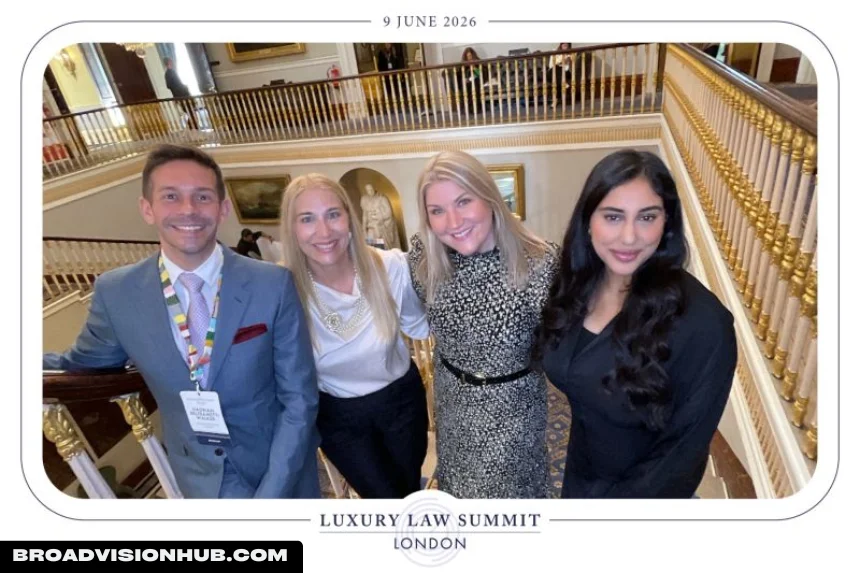
Additionally, Howard spoke at the Luxury Law Summit in London on June 9, 2026. Her presentation examined how luxury companies can protect heritage, preserve brand value, and respond to imitation as artificial intelligence changes content creation and copying.
Her public speaking topics have therefore included:
- Luxury-brand protection
- Advertising compliance
- Intellectual-property enforcement
- Counterfeit products
- Beauty and wellness regulation
- Artificial intelligence
- Digital imitation
- Brand heritage
- Emerging technology
- Commercial collaborations
These events reinforce the connection between Howard’s intellectual-property work and practical business challenges. However, conference appearances should not be treated as a separate profession. She remains primarily an attorney who also speaks and writes about issues related to her practice.
Melanie Howard’s Nonprofit and Pro Bono Work
Melanie Howard also contributes to nonprofit leadership and pro bono legal work.
She currently serves as secretary on the board of directors of Saving Innocence, a nonprofit organization that supports survivors of human trafficking and commercial sexual exploitation. The organization’s current leadership page identifies her as a Loeb & Loeb partner and chair of the firm’s Brand Protection group.
Saving Innocence provides survivor-centered services that include advocacy, case management, mentorship, education, and professional training. Therefore, Howard’s board position connects her with an organization focused on supporting vulnerable children and adults.
Loeb & Loeb also identifies her pro bono work with:
- Dress for Success
- The Bail Project
- The ACLU of Southern California
- Other community-service matters
According to her official firm biography, Howard and other Loeb lawyers previously received recognition for their pro bono partnership with the ACLU of Southern California. Additionally, the firm says she has represented Dress for Success and The Bail Project.
These activities should be described carefully. For example, the article should not claim that Howard founded Saving Innocence or personally manages its survivor programs. Her documented role is board secretary, while the nonprofit’s staff and executive leadership oversee its daily operations.
Is Melanie Howard a Journalist?
No. Melanie J. Howard is primarily an intellectual-property attorney.
Muck Rack maintains a profile associated with her published commentary and media appearances. However, that profile itself describes her as an attorney with an intellectual-property practice in entertainment and new media.
Muck Rack commonly organizes:
- Articles
- Interviews
- Professional commentary
- Media citations
- Publication bylines
- Podcast or conference appearances
Therefore, appearing on the platform does not establish journalism as Howard’s primary profession. Her Loeb & Loeb biography, legal admissions, professional rankings, and current leadership roles consistently identify her as a lawyer.
The most accurate description is:
Melanie Howard is an intellectual-property lawyer who also publishes legal commentary and participates in professional media.
Is the Latham & Watkins Melanie Howard the Same Person?
No. Melanie J. Howard of Loeb & Loeb and Melanie Howard of Latham & Watkins are different lawyers.
The Loeb attorney works in Los Angeles and focuses on intellectual property, luxury brands, brand protection, entertainment, media, privacy, artificial intelligence, and technology. She studied at Williams College and Harvard Law School.
By contrast, the Latham & Watkins attorney is based in London. Her practice centers on European and cross-border mergers and acquisitions, securities rules, corporate financing, private equity, takeover issues, and global carve-out transactions.
| Detail | Melanie J. Howard at Loeb & Loeb | Melanie Howard at Latham & Watkins |
|---|---|---|
| Main office | Los Angeles | London |
| Primary field | Intellectual property | Corporate and M&A |
| Law firm | Loeb & Loeb | Latham & Watkins |
| Law school | Harvard Law School | University of Tasmania |
| Undergraduate institution | Williams College | University of Tasmania |
| Main industries | Luxury, media, entertainment, technology and sports | Healthcare, financial services, fintech and corporate transactions |
| Main work | Brand protection, licensing, IP, endorsements and technology | Mergers, acquisitions, financing and corporate transactions |
Consequently, the Latham attorney’s education, transactions, location, and admissions must not be included in an article about the Loeb partner.
Is Melanie A. Howard the Christian Scholar the Same Person?
No. Melanie A. Howard, the academic author, is also a different person.
Christian Scholar’s Review publishes Melanie A. Howard’s writing about Christian higher education, biblical interpretation, theology, gender, disability, student life, and academic institutions. Those subjects are unrelated to Melanie J. Howard’s intellectual-property practice.
Therefore, the Loeb attorney should not be credited with academic articles such as:
- Christian higher-education commentary
- Biblical interpretation
- Theology essays
- Faith-integration articles
- Disability-focused biblical scholarship
The middle initial helps distinguish the two:
- Melanie J. Howard: Intellectual-property attorney
- Melanie A. Howard: Academic and Christian scholar
Does Melanie Howard Have Social Media?
No clearly authenticated public personal social-media account was identified through the strongest official sources reviewed for this article.
A LinkedIn page matching her name and Loeb & Loeb affiliation appears in search results. Nevertheless, unless the firm directly confirms or links a particular profile, the safest external source remains her official Loeb & Loeb biography.
The article should not link to an Instagram, Facebook, X, or TikTok account merely because it uses the name Melanie Howard. Several unrelated professionals share that name.
Instead, readers can rely on:
- Her official Loeb & Loeb profile
- Official Loeb articles and event pages
- Her Chambers professional profile
- Official industry-event biographies
- Saving Innocence’s leadership page
Does Melanie Howard Have a Wikipedia Page?
A dedicated English-language Wikipedia biography for Melanie J. Howard was not identified during the research.
A Wikidata entry and Wikimedia Commons category appear in search results. However, Wikidata or a Commons category should not be presented as a complete Wikipedia biography. The available Wikidata result specifically showed no connected Wikipedia entries.
Therefore, do not add an unrelated Melanie Howard Wikipedia link simply to include Wikipedia as an external source.
How Old Is Melanie Howard?
Melanie Howard’s age and birth date are not clearly published in the strongest professional sources reviewed.
Her Loeb & Loeb profile provides substantial information about her career, education, admissions, leadership roles, awards, and nonprofit service. However, it does not publish her birthday or age. Chambers also focuses on her professional practice rather than personal biographical details.
Therefore, the article should not calculate her age from:
- Graduation estimates
- Photographs
- People-search websites
- Unverified social profiles
- Other individuals named Melanie Howard
The correct answer is:
Melanie Howard’s age has not been reliably established through authoritative public sources.
Is Melanie Howard Married?
Melanie Howard’s marital status is not clearly documented in the official professional sources reviewed.
Her law-firm biography does not identify a husband, wife, partner, or children. Therefore, the article should not create a personal-life section based on assumptions or people-search databases.
A lack of public information does not prove that she is unmarried. It only means that dependable professional sources do not provide enough evidence to answer the question.
What Is Melanie Howard’s Net Worth?
Melanie Howard’s individual net worth has not been publicly verified.
A dependable estimate would require information about her:
- Income
- Partnership compensation
- Property
- Investments
- Business interests
- Debts
- Other financial assets and liabilities
Those records are not publicly available in a reliable form. Furthermore, a law-firm partnership title or a list of prominent clients does not establish an individual net-worth figure.
Therefore, avoid generic biography and net-worth websites that assign unsupported dollar amounts.
What Is Not Publicly Confirmed About Melanie Howard?
Melanie Howard maintains a detailed professional profile but a comparatively private personal life.
The strongest sources do not clearly confirm her:
- Date of birth
- Age
- Birthplace
- Parents
- Childhood
- High school
- Husband or partner
- Children
- Current home address
- Personal net worth
- Personal Instagram account
- Political affiliation
- Medical information
Consequently, the finished article should concentrate on her verified legal work, education, leadership, public speaking, awards, and nonprofit service.
Frequently Asked Questions About Melanie Howard
Who is Melanie Howard?
Melanie J. Howard is a Los Angeles intellectual-property attorney and partner at Loeb & Loeb. She chairs the firm’s Luxury Brands and Intellectual Property Protection practices and co-chairs Advanced Media and Technology. Her work includes brand protection, licensing, trademarks, copyrights, endorsements, privacy, artificial intelligence, entertainment, sports, and emerging technology.
What law firm does Melanie Howard work for?
Melanie Howard works for Loeb & Loeb LLP in Los Angeles. She is a partner and holds leadership positions involving luxury brands, intellectual-property protection, advanced media, and technology.
What type of lawyer is Melanie Howard?
She is an intellectual-property lawyer. Her practice includes trademark and copyright protection, licensing, brand enforcement, sponsorships, endorsements, influencer agreements, entertainment matters, data privacy, advertising, and artificial intelligence.
What are Melanie Howard’s roles at Loeb & Loeb?
She chairs Luxury Brands and Intellectual Property Protection. Additionally, she co-chairs the Advanced Media and Technology department. These titles appear on her current official Loeb & Loeb biography.
What does a luxury-brands lawyer do?
A luxury-brands lawyer may advise on trademarks, licensing, collaborations, advertising, counterfeiting, influencer campaigns, endorsements, privacy, e-commerce, acquisitions, and emerging technology. The precise work depends on the brand and commercial project.
Does Melanie Howard handle trademark matters?
Yes. Her work includes trademark acquisition, portfolio strategy, licensing, commercial transactions, protection, and enforcement. Chambers also recognizes her in California intellectual property, including trademark, copyright, and trade-secret work.
Does Melanie Howard handle copyright matters?
Yes. Her official profile lists copyright protection and infringement disputes among her practice areas. Copyright questions may involve advertising, photographs, videos, written content, entertainment properties, or digital media.
Does Melanie Howard work with influencers?
Yes. Loeb & Loeb identifies influencer engagements, endorsements, sponsorships, collaborations, and licensing arrangements as parts of her practice.
Does Melanie Howard advise athletes?
Yes. Her official profile connects her work with athletes, sports, esports, intellectual property, endorsement agreements, sponsorships, and commercial partnerships. Loeb also lists representative matters involving Patrick Mahomes.
Does Melanie Howard work in entertainment law?
Yes. Her practice extends into entertainment, talent, media, production businesses, podcasts, sponsorships, commercial partnerships, and entertainment-related disputes.
Does Melanie Howard advise on artificial intelligence?
Yes. Her official profile identifies work involving generative AI, machine-learning applications, agentic AI, data protection, privacy, intellectual property, and emerging technology.
Where did Melanie Howard attend college?
Melanie J. Howard earned a Bachelor of Arts from Williams College. She studied political science and German studies and graduated cum laude, according to her official Loeb biography.
Where did Melanie Howard attend law school?
She earned her Juris Doctor from Harvard Law School. Additionally, she served as an articles editor for the Harvard Negotiation Law Review.
Where is Melanie Howard licensed to practice?
Her official profile lists California and Vermont bar admissions. It also lists the United States Supreme Court and several federal appellate and district courts.
Is Melanie Howard recognized by Chambers?
Yes. Chambers ranks Melanie J. Howard in California’s Intellectual Property: Trademark, Copyright & Trade Secrets category and describes her work in brand management, strategy, and transactions.
Was Melanie Howard named among the Top 250 Women in IP?
Yes. Managing IP included her in its Top 250 Women in IP list for four consecutive years from 2022 through 2025, according to Loeb & Loeb’s official announcement.
What is Melanie Howard’s role with Saving Innocence?
Melanie Howard serves as secretary on Saving Innocence’s board of directors. The nonprofit works to support and advocate for survivors of human trafficking and commercial sexual exploitation.
Is Melanie Howard a journalist?
No. She is primarily an attorney. Muck Rack lists her as an intellectual-property lawyer, although the platform collects her articles, commentary, and media appearances.
Is the Latham & Watkins Melanie Howard the same person?
No. Latham’s Melanie Howard is a London corporate and M&A partner. Melanie J. Howard at Loeb & Loeb is a Los Angeles intellectual-property lawyer.
Is Melanie A. Howard the academic the same person?
No. Melanie A. Howard writes about biblical studies and Christian higher education. Her academic work is unrelated to Melanie J. Howard’s intellectual-property career.
How old is Melanie Howard?
Her age and date of birth are not reliably established through the authoritative professional sources reviewed. Therefore, the article should not publish an estimated age.
Is Melanie Howard married?
Her marital status is not clearly documented through the official sources reviewed. Consequently, the article should not name a spouse or describe her family life without dependable evidence.
What is Melanie Howard’s net worth?
No reliable public financial record confirms her individual net worth. Estimates published by generic biography websites should not be treated as verified facts.
Final Thoughts on Melanie Howard
Melanie Howard is an established intellectual-property lawyer whose practice combines brand protection, luxury retail, licensing, entertainment, sponsorships, privacy, and emerging technology.
As a Loeb & Loeb partner, she chairs Luxury Brands and Intellectual Property Protection and co-chairs Advanced Media and Technology. Moreover, her work reaches industries including fashion, beauty, media, sports, esports, advertising, and artificial intelligence.
Howard studied at Williams College and Harvard Law School. Additionally, professional organizations have recognized her trademark, copyright, and brand-management work. Her public-service record includes serving as secretary of Saving Innocence’s board and contributing to pro bono matters.
Ultimately, an accurate profile must distinguish Melanie J. Howard from the Latham corporate lawyer and academic author who share similar names. It should also avoid unsupported claims about her age, marriage, children, social media, and net worth.