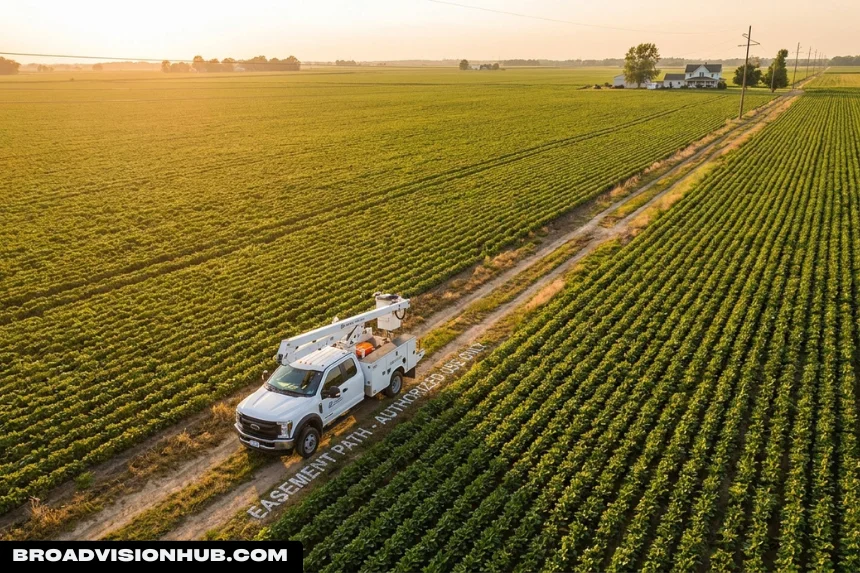
An easement in gross is a legal right that allows an individual, business, or organization to use another person’s property for a specific purpose without owning the land itself. Unlike many other property rights, an easement in gross benefits a particular person or entity instead of another parcel of real estate. As a result, it plays an important role in utility services, infrastructure projects, recreational agreements, and certain commercial activities.
Although the concept may sound complex, understanding an easement in gross is valuable for homeowners, buyers, landowners, investors, and real estate professionals. A recorded easement can influence how land is used, affect future development plans, and shape the rights of both the property owner and the easement holder.
Many people first encounter the term while reviewing a property deed, purchasing a home, or working with a title company. Consequently, questions often arise about who owns the easement, whether it transfers to another party, how it differs from other easement types, and whether it can eventually end.
This guide explains the legal concept in plain language, provides practical examples, compares an easement in gross with an easement appurtenant, and discusses the rights and responsibilities commonly associated with these property interests. Because real estate laws differ among states, this article offers general educational information rather than legal advice.
What Is an Easement in Gross?
An easement in gross is a legal right that allows a person or organization to use another person’s land for a specific purpose without acquiring ownership of the property.
Unlike an easement appurtenant, which benefits another piece of land, an easement in gross generally benefits a specific individual or legal entity. Therefore, the right exists independently of neighboring property ownership.
One of the most common examples involves utility companies. Electric providers, water utilities, natural gas companies, pipeline operators, and telecommunications businesses frequently hold easements in gross so they can install, inspect, repair, and maintain infrastructure located on private property.
Individuals may also receive personal easements in gross for purposes such as recreational access, hunting, fishing, or private pathways, depending on the terms of the agreement and applicable law.
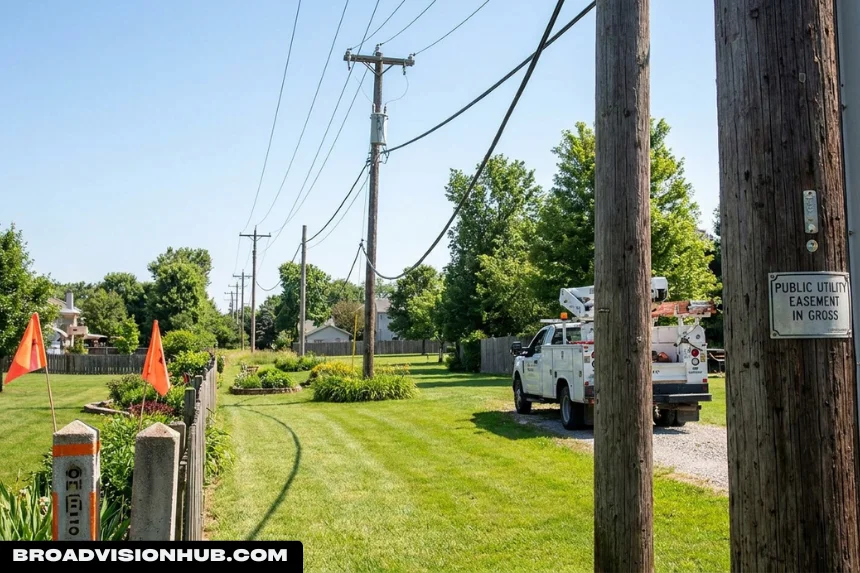
Featured Snippet: What Is an Easement in Gross?
An easement in gross is a legal right that allows a person, business, or organization to use another person’s land for a specific purpose. Unlike an easement appurtenant, it benefits a particular individual or entity rather than another parcel of property. Utility companies commonly use easements in gross to access power lines, pipelines, water systems, and telecommunications equipment.
Key Characteristics of an Easement in Gross
Although individual agreements differ, most easements in gross share several common characteristics.
It Benefits a Person or Organization
The defining feature of an easement in gross is that it benefits a specific individual, company, government agency, or nonprofit organization instead of benefiting neighboring land.
For example, an electric company may receive the legal right to maintain power lines that cross privately owned property. The company benefits directly from that right, while no adjacent parcel receives the legal benefit.
Ownership Does Not Change
Granting an easement in gross does not transfer ownership of the property.
The landowner continues to own the real estate and may generally continue using it, provided those activities do not interfere with the easement holder’s lawful rights.
Use Is Limited to a Specific Purpose
An easement in gross authorizes only the activities described in the agreement or recognized under applicable law.
For instance, a utility easement allowing access to electrical equipment does not automatically permit unrelated construction, recreational activities, or unrestricted use of the property.
Clearly defining the permitted use helps reduce future disputes between the property owner and the easement holder.
Duration Depends on the Agreement
Some easements remain in effect indefinitely, while others expire after a specified period or once a particular purpose has ended.
The duration often depends on:
- The written easement agreement.
- Applicable state law.
- Court decisions.
- Property records.
- The circumstances surrounding the easement’s creation.
Easement in Gross vs. Easement Appurtenant
Many property owners confuse an easement in gross with an easement appurtenant because both involve legal rights to use another person’s land.
However, the two serve different legal purposes.
| Easement in Gross | Easement Appurtenant |
|---|---|
| Benefits a person, business, or organization | Benefits another parcel of land |
| Commonly used for utility companies and commercial entities | Commonly used between neighboring properties |
| May or may not be transferable, depending on the agreement and applicable law | Generally transfers with the benefited property |
| Exists independently of neighboring land ownership | Closely connected to ownership of the dominant property |
| Often created for infrastructure, utilities, or personal rights | Often created for shared driveways, access roads, or property access |
Understanding this distinction helps property owners interpret deeds, title reports, and easement documents more confidently.
Common Real-World Examples of an Easement in Gross
Although the legal terminology may appear technical, easements in gross are common throughout the United States.
Several everyday situations illustrate how they work.
Utility Company Easements
Perhaps the most familiar example involves public utility companies.
A power company may receive the legal right to:
- Install electrical poles.
- Maintain transmission lines.
- Replace damaged equipment.
- Access utility corridors.
Even though the company does not own the land, the easement allows authorized employees to enter the property when necessary to perform approved work.
Natural Gas Pipelines
Pipeline operators frequently obtain easements in gross to construct and maintain underground pipelines crossing private property.
These agreements often specify:
- Access routes.
- Maintenance responsibilities.
- Safety requirements.
- Restrictions on certain types of construction above the pipeline.
Telecommunications Infrastructure
Internet providers and telecommunications companies commonly use easements in gross to install:
- Fiber-optic cables.
- Telephone lines.
- Communication towers.
- Underground communication systems.
These easements help expand communication networks while allowing private land to remain under its original ownership.
Railroad and Transportation Projects
Government agencies and transportation companies may obtain easements in gross for infrastructure projects involving:
- Rail corridors.
- Public transportation systems.
- Road improvements.
- Drainage facilities.
Such easements support public infrastructure without requiring full ownership of every affected parcel.
Personal Recreational Rights
Not every easement in gross involves commercial activity.
For example, a landowner may grant another individual the right to:
- Hunt on designated property.
- Fish in a private pond.
- Access recreational trails.
- Cross land using a private pathway.
Unlike utility easements, these personal rights often depend heavily on the language of the agreement and applicable state law.
Why Understanding Easements in Gross Matters
Whether you are purchasing property, selling land, or reviewing a title report, recognizing an easement in gross can help you better understand how property rights are shared.
Although an easement does not transfer ownership, it can influence future land use, construction plans, maintenance responsibilities, and access rights. Therefore, buyers should carefully review recorded easements during the due diligence process and ask questions whenever an easement’s scope or purpose is unclear.
In the next section, we’ll examine the different types of easements in gross, explain how they are created, discuss transferability and termination, outline the rights and responsibilities of both property owners and easement holders, and evaluate how these easements may affect property value.

Types of Easements in Gross
Although every easement in gross serves a specific purpose, most fall into one of two categories: commercial easements in gross and personal easements in gross. Understanding the distinction helps property owners, buyers, and investors recognize how different easements operate and whether they may continue after ownership changes.
Commercial Easements in Gross
A commercial easement in gross benefits a business, government agency, public utility, or other legal entity rather than an individual property owner.
These easements are common because companies often need long-term access to private land to provide services or maintain infrastructure.
Typical examples include:
- Electric transmission lines.
- Underground natural gas pipelines.
- Water and sewer systems.
- Fiber-optic communication cables.
- Telephone lines.
- Railroad corridors.
- Municipal drainage systems.
For example, an electric utility may have the right to enter a homeowner’s property to inspect or repair power lines. Although the homeowner still owns the land, the company may access the easement area when necessary to perform authorized work.
Commercial easements often remain in place for many years because they support essential public services.
Personal Easements in Gross
A personal easement in gross benefits a specific individual rather than a company or another parcel of land.
Unlike commercial easements, personal easements are frequently tied to the individual named in the agreement.
Common examples include:
- Hunting rights.
- Fishing rights.
- Private walking paths.
- Recreational trail access.
- Boat dock access.
- Permission to cross neighboring land.
For instance, a landowner may allow a neighbor to cross private property to reach a nearby lake. The agreement may grant that right only to the named individual rather than future property owners.
Depending on the applicable law and the agreement’s language, these personal rights may end if the individual dies, gives up the right, or the easement otherwise terminates.
How an Easement in Gross Is Created
Several legal methods may create an easement in gross.
The exact process varies by jurisdiction, yet most easements arise through one of the following methods.
Written Easement Agreement
The most common approach is a written agreement between the property owner and the easement holder.
A well-drafted agreement typically identifies:
- The parties involved.
- The property affected.
- The permitted use.
- Access rights.
- Maintenance responsibilities.
- The duration of the easement.
- Any restrictions or limitations.
Recording the agreement in local land records helps notify future buyers that the easement exists.
Property Deed
In some situations, an easement in gross is created when property is transferred through a deed.
The deed may reserve or grant specific rights that continue after the property changes ownership.
Because deeds become part of the public record, buyers should review them carefully during the purchasing process.
Court Order
Courts may establish or recognize easement rights when disputes arise between property owners or when legal requirements support the creation of an easement.
However, court-created easements are generally less common than voluntary written agreements.
Statutory Authority
Government agencies and public utilities may receive easement rights under federal, state, or local laws that authorize infrastructure projects or public services.
Because these rules differ by jurisdiction, the specific legal authority depends on the applicable statutes and regulations.
Can an Easement in Gross Be Transferred?
One of the most common questions concerns whether an easement in gross may be sold or transferred.
The answer depends on several factors, including:
- The wording of the easement agreement.
- Whether the easement is commercial or personal.
- Applicable state law.
Commercial easements are often transferable because businesses may reorganize, merge, or sell assets while continuing to provide public services.
By contrast, personal easements are more likely to remain with the individual who received the right and may not transfer automatically to another person.
Because transfer rules differ among jurisdictions, reviewing the recorded easement documents is essential before assuming that an easement may be assigned.
How an Easement in Gross Can Be Terminated
Although some easements continue indefinitely, an easement in gross may end under certain circumstances.
Common termination methods include:
Expiration
Some agreements specify an ending date or identify an event that automatically terminates the easement.
Written Release
The easement holder may voluntarily release the easement by signing an appropriate legal document.
Recording that release helps update the public land records.
Abandonment
In some jurisdictions, prolonged nonuse combined with clear evidence that the holder intends to give up the easement may support a claim of abandonment.
However, simply failing to use an easement for a period of time does not automatically terminate every easement.
Court Order
A court may terminate or modify an easement when legal grounds exist, such as disputes regarding validity, interpretation, or changed circumstances.
Merger
In limited situations, an easement may end if the same party acquires both the benefited interest and the affected property, depending on applicable law and the nature of the easement.
Rights and Responsibilities
An easement in gross creates legal rights for the easement holder while preserving ownership rights for the landowner.
Understanding both perspectives helps reduce misunderstandings and property disputes.
Rights of the Easement Holder
The easement holder generally has the right to:
- Use the property only for the authorized purpose.
- Enter the easement area when reasonably necessary.
- Perform maintenance consistent with the agreement.
- Access equipment or infrastructure located within the easement.
These rights are limited to the scope of the easement and do not grant unrestricted control over the property.
Responsibilities of the Easement Holder
The easement holder generally should:
- Respect the property owner’s remaining rights.
- Avoid unnecessary damage.
- Follow the easement agreement.
- Restore disturbed areas when appropriate.
- Comply with applicable laws and regulations.
Rights of the Property Owner
Even after granting an easement in gross, the property owner usually retains the right to:
- Continue owning the property.
- Use portions of the land that do not interfere with the easement.
- Sell or transfer the property, subject to the recorded easement.
- Enforce the limits established by the easement agreement.
Ownership remains with the landowner unless another legal interest has also been transferred.
Responsibilities of the Property Owner
Property owners generally should:
- Avoid obstructing lawful easement use.
- Respect the rights granted by the agreement.
- Review easement documents before beginning major construction near the easement area.
- Communicate with the easement holder when projects may affect shared access.
Taking these steps can help prevent costly legal disputes.
Does an Easement in Gross Affect Property Value?
An easement in gross may influence property value, although the effect depends on the specific circumstances.
Several factors play a role, including:
- The size of the easement.
- Its location.
- The permitted use.
- Visibility.
- Development restrictions.
- Buyer perception.
For example, a narrow underground utility easement may have little practical impact on market value. On the other hand, a large pipeline easement or heavily used access corridor could affect future development plans and influence buyer interest.
Because every property is different, buyers should review surveys, title reports, and recorded easement documents before completing a purchase.
Advantages and Disadvantages of an Easement in Gross
| Advantages | Disadvantages |
|---|---|
| Supports essential public utilities and infrastructure | May limit how portions of the property can be used |
| Allows businesses to maintain important services | Future development may require coordination with the easement holder |
| Creates legally recognized access rights | Some buyers may have concerns about recorded easements |
| Helps avoid repeated negotiations for maintenance access | Easement disputes can arise if responsibilities are unclear |
| Can benefit both landowners and service providers through clearly defined agreements | State-specific laws and agreement terms may create legal complexity |
Understanding both the benefits and limitations allows property owners and buyers to make more informed decisions when reviewing real estate transactions.
In the final section, we’ll answer the most frequently asked questions about easement in gross, summarize the key legal concepts, and complete the article with a comprehensive Yoast SEO optimization checklist.
Frequently Asked Questions
What is an easement in gross?
An easement in gross is a legal right that allows an individual, company, or organization to use another person’s property for a specific purpose without owning the land. Unlike an easement appurtenant, it generally benefits a person or entity rather than another parcel of real estate.
What is the difference between an easement in gross and an easement appurtenant?
The primary difference is who benefits from the easement.
An easement in gross benefits a specific person, business, or organization. By contrast, an easement appurtenant benefits another parcel of land and typically transfers with that property when ownership changes.
Can an easement in gross be transferred?
It depends.
Commercial easements in gross are often transferable if the agreement and applicable law allow it. Personal easements in gross, however, are commonly limited to the individual named in the agreement and may not transfer automatically.
Because transfer rules vary by state and by contract, reviewing the recorded easement documents is essential.
How is an easement in gross created?
An easement in gross may be created through several legal methods, including:
- A written easement agreement.
- A property deed.
- A court order.
- Statutory authority in certain situations.
The method depends on the circumstances and the laws of the applicable jurisdiction.
Can an easement in gross be terminated?
Yes.
Depending on the agreement and state law, an easement in gross may end through:
- Expiration.
- A written release.
- Abandonment under applicable legal standards.
- A court order.
- Merger in limited circumstances.
Not every easement ends the same way, so the specific facts of each case matter.
Does an easement in gross affect property value?
It can.
The impact depends on factors such as the easement’s location, purpose, size, and restrictions. A small underground utility easement may have little effect on market value, while a larger easement that limits future development could influence a property’s desirability.
Should I buy property with an easement in gross?
Many properties with recorded easements are bought and sold without problems.
However, buyers should:
- Review the title report.
- Read the easement agreement.
- Understand any development restrictions.
- Ask questions during the due diligence process.
- Consult a qualified real estate attorney if significant concerns arise.
Understanding the easement before closing helps buyers avoid unexpected issues later.
Who is responsible for maintaining an easement in gross?
Maintenance responsibilities depend on the easement agreement and applicable law.
In many cases, the easement holder is responsible for maintaining the facilities or infrastructure associated with the easement. Nevertheless, each agreement may allocate responsibilities differently, making it important to review the recorded documents.
Conclusion
An easement in gross is an important legal tool that allows individuals, businesses, utility companies, and government agencies to use private property for specific purposes without transferring ownership of the land. Although the concept may appear technical at first, understanding how these easements work helps property owners, buyers, and real estate professionals make informed decisions.
Unlike an easement appurtenant, an easement in gross benefits a particular person or organization rather than another parcel of land. As a result, these easements frequently support public utilities, transportation infrastructure, telecommunications systems, and certain personal rights such as recreational access.
Before buying or selling property, reviewing recorded easement documents is an essential part of due diligence. Knowing the scope of an easement, the rights it grants, and any limitations it imposes can prevent misunderstandings and reduce the likelihood of future disputes.
Finally, because easement laws differ from state to state, this guide provides general educational information rather than legal advice. When a specific property transaction or dispute raises questions about an easement in gross, consulting a qualified real estate attorney or title professional is the most reliable way to obtain guidance tailored to the circumstances.