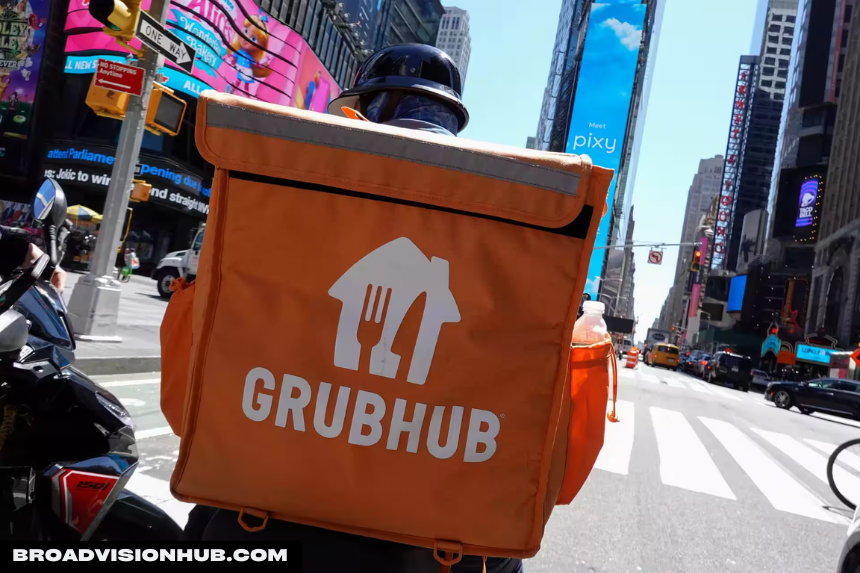
The Grubhub class action settlement has become a popular search topic as consumers and restaurant owners seek reliable information about legal actions involving one of the largest food delivery platforms in the United States. However, one of the biggest sources of confusion is that multiple legal proceedings involving Grubhub have received public attention. Some involve government regulators, while others relate to private lawsuits.
As a result, many people use the phrase “Grubhub class action settlement” to describe every legal dispute involving the company, even though not every case is a traditional class action lawsuit.
Understanding these differences is important because eligibility requirements, payment procedures, and legal outcomes vary depending on the specific case. Therefore, relying on official information instead of online rumors or social media posts helps consumers better understand their rights and responsibilities.
This guide explains the Grubhub legal actions in plain language, distinguishes FTC enforcement from private class actions, summarizes the major allegations, reviews settlement terms, and discusses what affected cunsummer and restaurant owners should know.
What Is the Grubhub Class Action Settlement?
The phrase Grubhub class action settlement generally refers to legal actions brought against Grubhub concerning its business practices. However, the best-known legal matter involving the company is a consumer protection enforcement action filed by the U.S. Federal Trade Commission (FTC) together with the State of Illinois.
Unlike a traditional class action lawsuit filed by private plaintiffs, an FTC enforcement action is initiated by government agencies that seek to protect consumers and ensure businesses comply with consumer protection laws.
The settlement reached in that enforcement action includes monetary relief, operational reforms, and additional transparency requirements. Importantly, settlements often resolve disputes without requiring a court to determine every allegation, and they do not automatically represent an admission of wrongdoing.
Because other private lawsuits involving Grubhub also exist, readers should always verify which legal action a settlement notice references before determining whether they may qualify for compensation.

Featured Snippet: Is the Grubhub Settlement a Class Action?
Not exactly.
Many people refer to the Grubhub class action settlement, but the most widely reported legal action was an FTC and Illinois consumer protection enforcement case, not a traditional private class action lawsuit. Separate private lawsuits involving Grubhub may exist, and eligibility for compensation depends on the specific settlement involved. Consumers should always review official settlement notices for accurate information.
FTC Enforcement Action vs. Private Class Action
One reason this topic creates confusion is that government enforcement actions and private class action lawsuits serve different legal purposes.
The following comparison helps explain the distinction.
| FTC Enforcement Action | Private Class Action Lawsuit |
|---|---|
| Filed by government agencies | Filed by private individuals or businesses |
| Focuses on consumer protection and regulatory compliance | Focuses on damages suffered by a group of plaintiffs |
| May require business practice reforms | Often seeks financial compensation for class members |
| Enforcement agencies negotiate the settlement | Plaintiffs and defendants negotiate the settlement |
| May provide consumer refunds | May provide compensation to approved class members |
Understanding this distinction allows readers to interpret legal news more accurately and avoid confusion when searching for settlement information.
Background of the Legal Actions
Grubhub became one of the largest online food delivery platforms in the United States by connecting customers with restaurants through its digital marketplace.
As online ordering expanded, regulatory agencies increased their oversight of digital commerce platforms to ensure compliance with consumer protection laws.
Following an investigation, the FTC and the Illinois Attorney General alleged that certain Grubhub business practices did not provide consumers and restaurants with sufficient transparency in several areas.
Rather than continuing through lengthy litigation, the parties eventually reached a settlement agreement designed to resolve the dispute while introducing business practice reforms.
At the same time, separate legal claims concerning restaurant listings generated additional public attention. Consequently, news reports often discussed multiple Grubhub lawsuits together, even though they involved different legal issues.

Why the Grubhub Class Action Settlement Matters
Although the legal proceedings involve one company, they also raise broader questions about digital marketplace accountability.
Consumers increasingly rely on food delivery platforms for everyday purchases. Therefore, transparent pricing, accurate advertising, and clear disclosures have become important consumer protection priorities.
Likewise, restaurants depend on third-party delivery platforms to reach customers. As a result, accurate restaurant information and fair marketplace practices also influence business operations.
The Grubhub legal actions highlight several important issues for digital commerce, including:
- Pricing transparency.
- Advertising accuracy.
- Consumer disclosures.
- Restaurant listing practices.
- Marketplace accountability.
- Regulatory compliance.
These topics continue to influence discussions surrounding online marketplaces across multiple industries.
Key Facts About the Grubhub Class Action Settlement
| Topic | Summary |
| Company | Grubhub Inc. |
| Primary Government Action | FTC and State of Illinois consumer protection enforcement case |
| Common Search Phrase | Grubhub class action settlement |
| Legal Focus | Consumer protection, pricing transparency, advertising, restaurant listings |
| Resolution | Settlement agreement and business practice reforms |
| Consumer Impact | Monetary relief for eligible consumers under applicable settlement terms |
| Restaurant Impact | Increased transparency regarding listings and platform practices |
| Industry | Online food delivery and digital commerce |
Important Note: Different Grubhub lawsuits involve different legal claims. Before assuming eligibility for compensation, consumers should confirm which settlement applies to their situation by reviewing official notices or court-approved settlement information.
What You’ll Learn Next
Now that we’ve explained what the Grubhub class action settlement refers to and clarified the difference between government enforcement actions and private class actions, the next section examines the allegations behind the legal actions in greater detail.
We’ll explain the FTC’s claims in plain language, discuss the unauthorized restaurant listing lawsuit, review the settlement terms, explore who may qualify for compensation, explain how refund distributions work, and provide a timeline of the major events that shaped the case.
Why Grubhub Faced Legal Action
Understanding the Grubhub class action settlement begins with understanding why the company became the subject of legal scrutiny.
The most widely reported legal action was brought by the U.S. Federal Trade Commission (FTC) together with the State of Illinois. In addition, separate lawsuits involving restaurant listings also received public attention.
Although these legal matters involve different claims, they share a common theme: regulators and plaintiffs questioned whether certain business practices provided consumers and restaurant owners with clear and accurate information.
Importantly, the following sections describe allegations contained in legal filings. Allegations are claims made during legal proceedings and should not be interpreted as findings of fact unless established through the legal process.
FTC Allegations Explained
According to the FTC complaint, regulators alleged several practices that they believed violated consumer protection laws.
Delivery Fee Transparency
One allegation involved how delivery costs were presented to customers.
Regulators argued that some advertising and ordering experiences could make it difficult for consumers to understand the full cost of an order before completing a purchase.
Clear pricing disclosures help consumers compare services and make informed buying decisions. Consequently, pricing transparency became a central issue during the case.
Promotional Advertising
The complaint also discussed promotional campaigns and discounts.
According to regulators, certain marketing messages could create expectations that did not fully reflect the applicable terms or costs associated with some offers.
The settlement seeks to improve transparency surrounding promotional communications so customers receive clearer information before placing an order.
Driver Earnings Claims
Another area of concern involved advertising directed toward prospective delivery drivers.
The complaint alleged that certain earnings representations could create unrealistic expectations about potential income opportunities.
Although this issue primarily affected driver recruitment rather than customer purchases, regulators included it as part of the broader consumer protection action.
Consumer Disclosures
The complaint further alleged that some important information regarding pricing, fees, or promotions was not always displayed with sufficient clarity.
Regulators emphasized that material information should be presented in a manner that allows consumers to understand the total cost of a transaction before making purchasing decisions.
Unauthorized Restaurant Listing Lawsuit
Separate from the FTC enforcement action, some restaurants pursued legal claims regarding unauthorized listings.
According to those claims, certain restaurants appeared on the platform without entering into formal partnership agreements.
Restaurant owners argued that unauthorized listings sometimes resulted in:
- Incorrect menus.
- Outdated pricing.
- Inaccurate operating hours.
- Customer confusion.
- Brand reputation concerns.
Although every restaurant relationship differed, these issues generated additional legal attention and contributed to public confusion about the various Grubhub lawsuits.
Understanding that these restaurant claims are separate from the FTC enforcement action helps readers interpret news reports more accurately.
Settlement Terms
The Grubhub class action settlement includes more than financial relief.
The agreement also requires operational improvements designed to strengthen transparency and compliance.
Major elements include:
Consumer Relief
The settlement provides monetary relief for eligible consumers according to the approved settlement terms.
Eligibility depends on the official requirements established during settlement administration.
Business Practice Reforms
Grubhub agreed to implement changes designed to improve transparency in areas such as:
- Pricing information.
- Advertising practices.
- Consumer disclosures.
- Platform communications.
- Internal compliance procedures.
These reforms aim to reduce future consumer confusion while strengthening marketplace accountability.
Compliance Measures
Regulatory settlements commonly require companies to maintain ongoing compliance programs.
Such measures may include:
- Internal policy updates.
- Employee training.
- Recordkeeping requirements.
- Monitoring procedures.
- Reporting obligations.
These provisions encourage continued compliance with consumer protection standards.
Who May Qualify for Compensation?
Many people searching for the Grubhub class action settlement want to know whether they may receive compensation.
Eligibility depends entirely on the official settlement criteria.
Factors that may influence eligibility include:
- Order dates.
- Transaction history.
- Settlement definitions.
- Official eligibility requirements.
- Settlement administrator records.
Consumers should avoid assuming eligibility based solely on news reports or social media discussions.
Instead, they should rely on official notices and verified settlement resources.
Do Consumers Need to File a Claim?
Whether a claim form is required depends on the specific settlement procedures.
Some settlements automatically identify eligible consumers using business records, while others require individuals to submit claims before a deadline.
For that reason, consumers should carefully review any official communication they receive regarding:
- Eligibility.
- Filing requirements.
- Deadlines.
- Supporting documentation.
- Payment options.
Following official instructions helps prevent delays and reduces the risk of settlement-related scams.
How Refund Payments May Be Distributed
If consumers qualify for compensation, payments are generally distributed using methods approved by the settlement administrator.
Possible payment methods include:
- Electronic deposits.
- Paper checks.
- Digital payment platforms.
- Other approved payment services.
The exact payment schedule depends on court approval, administrative processing, and verification procedures.
Therefore, payment dates may vary between settlement programs.
How the Settlement Affects Restaurants
Restaurants also have an interest in the outcome of these legal proceedings.
The settlement and related litigation highlight the importance of:
- Accurate restaurant listings.
- Clear business relationships.
- Updated menu information.
- Transparent platform communications.
- Consumer confidence.
Although many restaurants continue working successfully with delivery platforms, these legal actions encourage stronger operational standards throughout the industry.
Timeline of Major Events
| Date | Major Event |
|---|---|
| Investigation Begins | Federal and state regulators reviewed Grubhub’s business practices. |
| Complaint Filed | The FTC and the Illinois Attorney General filed a consumer protection complaint alleging deceptive business practices. |
| Related Litigation | Separate legal claims involving unauthorized restaurant listings received public attention. |
| Settlement Reached | Grubhub agreed to resolve the FTC enforcement action through a settlement that included consumer relief and business practice reforms. |
| Settlement Administration | Eligible consumers receive information about payments and implementation according to official settlement procedures. |
Practical Tips for Consumers
Consumers can take several steps to stay informed and protect themselves.
Monitor Official Updates
Check official settlement notices and government announcements rather than relying on unofficial websites or social media posts.
Save Order Records
Receipts, confirmation emails, and account histories may be useful if settlement administrators request additional information.
Watch for Scams
Large settlements often attract fraudulent emails and fake websites.
Before sharing personal or financial information, verify that every communication comes from an official source.
Read Settlement Notices Carefully
Each settlement has unique rules regarding:
- Eligibility.
- Deadlines.
- Claim requirements.
- Payment methods.
Reading official notices carefully helps consumers understand their rights and avoid missing important deadlines.
In the final section, we’ll answer the most frequently asked questions about the Grubhub class action settlement, summarize the legal significance of the case, and complete the article with a comprehensive Yoast SEO optimization checklist.
Frequently Asked Questions
What is the Grubhub class action settlement?
The Grubhub class action settlement is a phrase many people use when searching for legal actions involving Grubhub. However, the most widely reported case is a consumer protection enforcement action brought by the U.S. Federal Trade Commission (FTC) and the State of Illinois, rather than a traditional private class action lawsuit. Other private lawsuits involving Grubhub may exist, so readers should verify which legal action a settlement notice refers to before determining eligibility.
Is the Grubhub settlement actually a class action?
Not always.
Many online searches use the term “Grubhub class action settlement,” but the FTC case is a government enforcement action. A private class action is typically filed by individuals or businesses seeking compensation on behalf of a larger group. The legal process, eligibility rules, and settlement administration may differ depending on the case.
Why did the FTC take legal action against Grubhub?
According to the FTC complaint, regulators alleged that certain Grubhub business practices involved misleading advertising, pricing disclosures, promotional claims, delivery fees, and restaurant listings.
These allegations formed the basis of the enforcement action. The settlement resolved the dispute without requiring a court trial on every allegation.
Who may qualify for compensation?
Eligibility depends on the specific settlement and its official requirements.
Settlement administrators generally review factors such as:
- Order history.
- Applicable transaction dates.
- Settlement definitions.
- Official eligibility criteria.
Consumers should rely on court-approved notices or official settlement communications instead of third-party websites.
Do I need to submit a claim?
That depends on the settlement.
Some settlement programs automatically identify eligible consumers using company records, while others require individuals to submit a claim form before a deadline.
Always follow the instructions provided in official settlement notices.
How are settlement payments distributed?
If consumers qualify, payments may be issued through methods approved by the settlement administrator.
Possible payment methods include:
- Direct electronic payment.
- Paper checks.
- Digital payment services.
- Other approved payment options.
Payment schedules vary depending on court approval and settlement administration.
Does the settlement affect restaurant owners?
Yes.
The legal actions also addressed issues affecting restaurant partners, including concerns about restaurant listings, platform transparency, and business communications.
Restaurant owners should review official communications if they believe a particular legal action may affect their business relationship with Grubhub.
Did Grubhub admit wrongdoing?
Settlement agreements often allow disputes to be resolved without a trial.
As a result, companies frequently agree to settlements while denying liability or without admitting every allegation made in the complaint. Readers should consult the official settlement documents for the precise legal language used in the agreement.
How can consumers avoid settlement scams?
Consumers should protect themselves by following several best practices:
- Verify emails before responding.
- Use only official settlement websites.
- Avoid sharing personal information with unknown sources.
- Review court-approved notices carefully.
- Keep copies of receipts and order confirmations.
These steps can reduce the risk of fraud and help consumers respond appropriately if they qualify for compensation.
Conclusion
The Grubhub class action settlement remains a widely searched topic because it combines consumer protection issues, restaurant concerns, and digital marketplace regulation. Although many people use the phrase “class action settlement,” it is important to recognize that the most prominent legal action involving Grubhub was an FTC and Illinois enforcement case, while separate private lawsuits may involve different claims and legal procedures.
For consumers, the settlement highlights the importance of reviewing pricing, promotional terms, and official communications before making purchasing decisions or responding to settlement notices. Likewise, restaurant owners can use the case as a reminder to monitor how third-party delivery platforms represent their businesses and to address inaccurate information promptly.
As digital commerce continues to evolve, regulatory oversight of online marketplaces is likely to remain an important part of consumer protection. Businesses that prioritize transparency, accurate disclosures, and fair marketplace practices are generally better positioned to build lasting trust with customers and commercial partners.
Whether you are researching the Grubhub legal actions, checking potential eligibility, or simply trying to understand the differences between an FTC enforcement action and a private class action, relying on verified information from government agencies, court records, and official settlement administrators remains the most reliable approach.
Discover more about Laurie Holmond